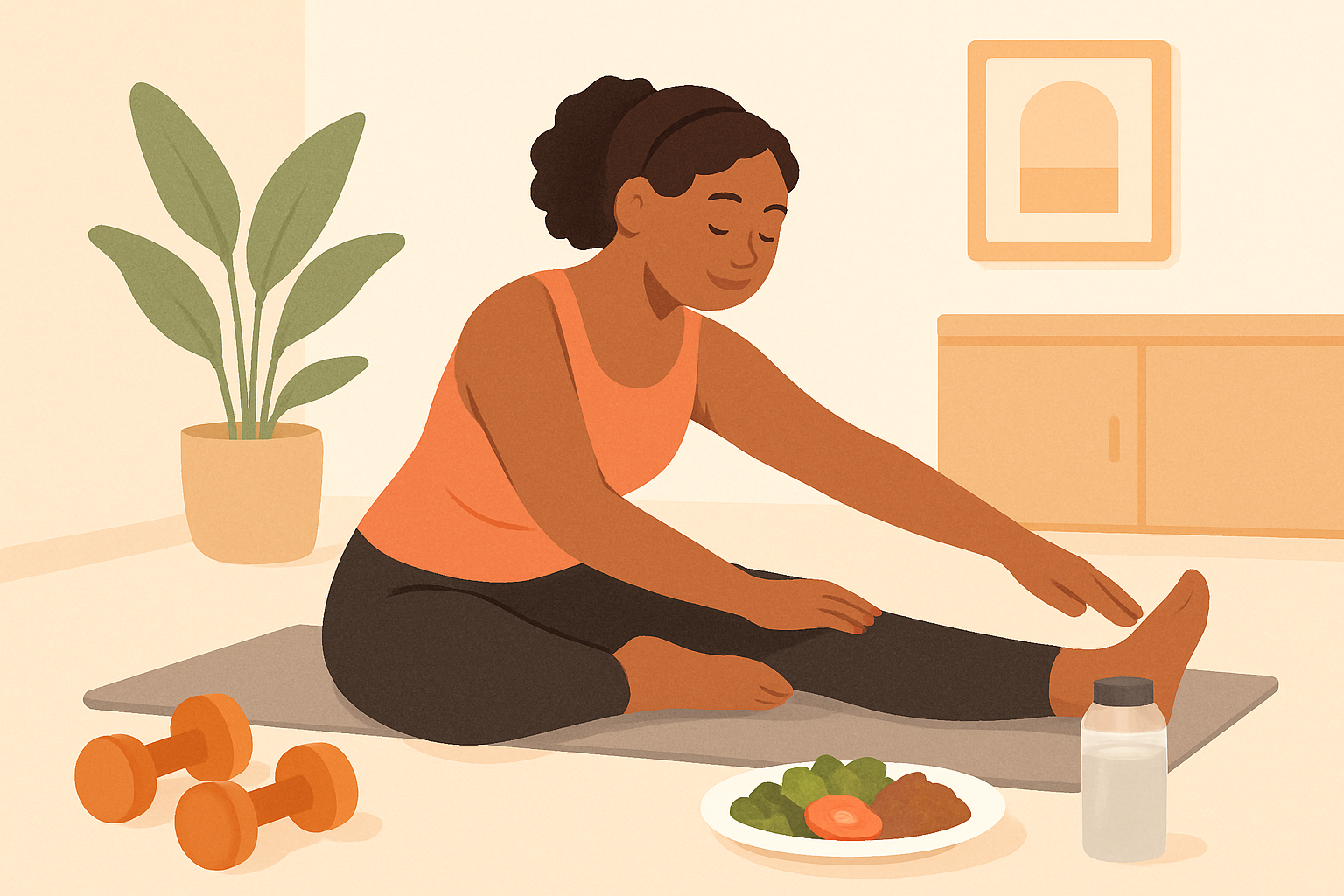

Today, Clint talks about "The Power of Progressive Overload Explained" around how you can better understand, and utilise concepts and shape your behaviours towards improved health and fitness over time.
The Power of Progressive Overload Explained
Progressive overload is one of the most important principles in fitness, yet it is often misunderstood or overlooked. Whether you are just starting out or looking to push past a plateau, understanding how progressive overload works can help you build strength, improve endurance, and enhance overall fitness in a safe, sustainable way.
What is Progressive Overload?
Progressive overload is the process of gradually increasing the demands placed on your body during training. Your body adapts to the stress it encounters—if that stress stays the same, progress slows or stops. To continue improving, you must gently and intentionally increase the challenge over time.
This does not only mean lifting heavier weights. Progressive overload can also be achieved by increasing repetitions, extending workout duration, improving exercise technique, reducing rest time, or increasing overall training intensity.
Getting the Best from Progressive Overload
To use progressive overload well, it helps to think like a coach: the goal isn’t to “destroy” yourself in every session — it’s to stack small wins, week after week, without burning out or getting injured.
Focus on these key principles:
-
Consistency: Regular training is more important than occasional intense sessions.
Coach tip: aim for a routine you can keep on your busiest week, not your best week. Three solid sessions every week beats one heroic session followed by ten days off. Consistency builds skill, confidence, and momentum — and that’s what makes progress inevitable.
-
Small Increments: Gradual increases reduce injury risk and support long-term progress.
Coach tip: don’t chase big jumps. Add a little weight, an extra rep, or a set when it feels earned. The fastest way to stall is to rush. The body adapts best when the challenge increases just enough to notice — but not so much that your technique breaks down.
-
Variety: Different exercises and movement patterns help develop balanced strength.
Coach tip: keep the goal the same, but rotate the tools. You might keep “squat pattern” in your plan, but swap front squats for goblet squats, or change rep ranges for a few weeks. Variety keeps joints happier, fills in weak links, and stops you getting stuck doing only what you’re already good at.
-
Recovery: Adaptation happens during rest, not just during training.
Coach tip: if you train hard but recover poorly, you’re just accumulating fatigue. Prioritise sleep, protein, hydration, and at least one easier day each week. Progress isn’t only about doing more — it’s about recovering enough to come back stronger.
Practical Steps to Apply Progressive Overload
Use the following steps to apply progressive overload in a structured and sustainable way:
- Warm-Up: Start every session with a proper warm-up to prepare joints, muscles, and the nervous system.
- Set a Base: Establish a comfortable starting point where you can perform exercises with good technique.
- Increase Intensity: Progress gradually by increasing weight, reps, sets, or difficulty every one to two weeks. Small increases of 5 - 10% are often enough.
- Track Progress: Logging your workouts helps you spot patterns, plateaus, and improvements.
- Prioritise Recovery: Rest days, sleep, and nutrition are essential for strength gains and injury prevention.
Expected Timelines
Progressive overload delivers results gradually. Most people begin to feel stronger and more capable within 4 to 8 weeks of consistent training. Visual changes may take longer, and progress is rarely perfectly linear. Periods of slower improvement are normal and part of the process.
FAQs
Do I need to increase weights every session?
No. Progression should be gradual and responsive to how your body feels. Some sessions focus on maintaining performance rather than increasing load.
How often should I change my routine?
Changing exercises, rep ranges, or training focus every 4 to 6 weeks can help prevent plateaus while keeping workouts engaging.
What if I feel pain during my workout?
There is a difference between effort-related discomfort and pain that signals injury. If something feels sharp, persistent, or unusual, stop the exercise and seek guidance from a qualified fitness professional.
Are you looking for help with your Fitness needs? Our Fitness planner helps with daily checkin reminders specifically tailored to your needs. Track weight, measurements, and key health markers over time, along with meal plans and helpful Ai coaches
If you are new to fitness or out of shape or have existing health conditions, then we strongly advise that you seek the advice of a health professional before embarking on any new fitness regime.
Create your free account today!
Written by our fitness editor Clint Soltaire – Published on: 2026-01-03 08:23:07 · Topic: The Power of Progressive Overload Explained
Helpful Fitness Articles
We have a small selection of guides which you might find helpful
Strength Training | Recovery | Motivation | Hyrox Training | Fitness Guidance | Strength | Habits | Fat Loss | Lifestyle | Training | Health | Nutrition | Programming | Cardio | Mindset | Beginners |© 2026 ClientSlot. All rights reserved. We log anonymised analytics