Today, Clint talks about "The Role of Recovery in Long-Term Fitness Success" around how you can better understand, and utilise concepts and shape your behaviours towards improved health and fitness over time.
The Role of Recovery in Long-Term Fitness Success
Embarking on a fitness journey can be both exciting and challenging. While exercise is a vital component, recovery plays an equally critical role in achieving lasting success. Understanding and prioritising recovery can help you avoid injuries, enhance performance, and create a balanced lifestyle that fosters consistent progress.
Understanding Recovery
Recovery is the process your body undergoes to repair, rebuild, and strengthen itself after physical activity. It allows muscles to heal, replenishes energy stores, and helps prevent burnout. Adequate recovery not only aids in performance but also maintains motivation and enjoyment in your fitness journey.
To benefit from recovery, a few key practices can support your progress:
Practical Steps to Enhance Recovery
Prioritise Sleep
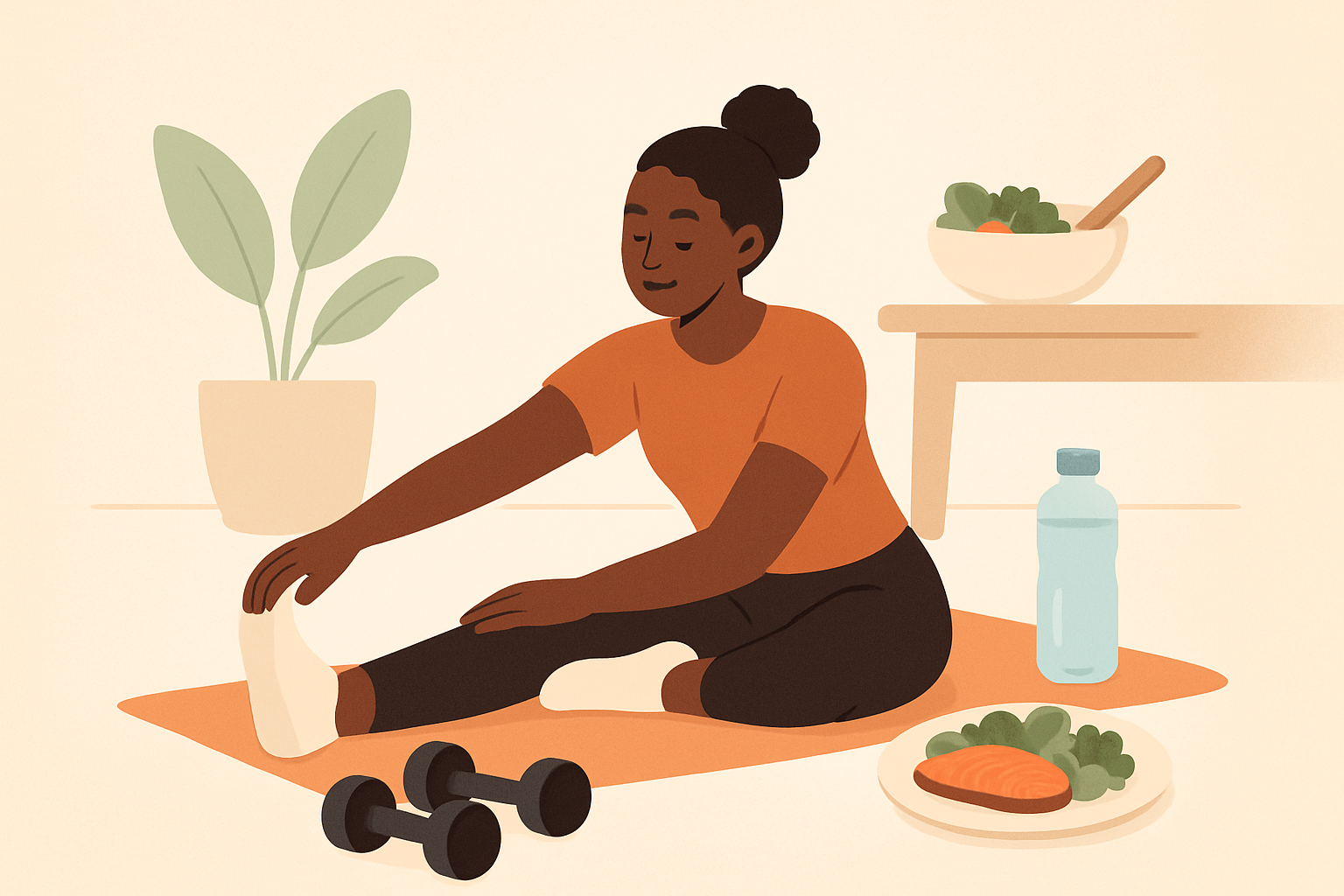
Aim for 7 to 9 hours of quality sleep each night. Sleep is when your body does most of its healing and rebuilding. Create a bedtime routine that promotes restful sleep.
Hydrate Properly
Keeping hydrated is crucial for efficient muscle function and recovery. Drink enough water throughout the day and consider your hydration needs before and after workouts.
Incorporate Active Recovery
Engage in low-intensity activities like walking or gentle stretching on rest days. This helps maintain blood circulation and reduces muscle stiffness.
Nutrition Matters
Focus on a balanced diet rich in whole foods. Incorporate protein for muscle repair, carbohydrates for energy replenishment, and plenty of fruits and vegetables for overall health.
Listen to Your Body
Pay attention to signs of fatigue or discomfort. If you’re feeling overly sore or tired, allow yourself extra rest. Balancing activity and recovery can prevent injury.
Expected Timelines
Recovery needs can vary based on training intensity and individual factors. As a general guideline:
- After intense workouts, allow 48 hours for recovery of the specific muscle groups worked.
- For high-intensity training, consider taking one or two full rest days per week.
- Adapt your recovery strategies according to how your body feels and responds over time.
FAQ
How do I know if I need more recovery?
Signs include persistent fatigue, decreased performance, and increased soreness. If you’re unsure, consider incorporating more rest and listening to how your body responds.
Can I still work out if I'm sore?
It depends on the level of soreness. Light exercise can promote recovery; however, if pain is sharp or affects your form, rest is advisable.
What types of activities are best for active recovery?
Activities like walking, swimming, yoga, or gentle cycling are excellent for active recovery and help keep you mobile without overexerting your body.
Are you looking for help with your Fitness needs? Our Fitness planner helps with daily checkin reminders specifically tailored to your needs. Track weight, measurements, and key health markers over time, along with meal plans and helpful Ai coaches
If you are new to fitness or out of shape or have existing health conditions, then we strongly advise that you seek the advice of a health professional before embarking on any new fitness regime.
Create your free account today!
Written by our fitness editor Clint Soltaire – Published on: 2026-01-03 08:22:11 · Topic: The Role of Recovery in Long-Term Fitness Success
Helpful Fitness Articles
We have a small selection of guides which you might find helpful
Strength Training | Recovery | Motivation | Hyrox Training | Fitness Guidance | Strength | Habits | Fat Loss | Lifestyle | Training | Health | Nutrition | Programming | Cardio | Mindset | Beginners |© 2026 ClientSlot. All rights reserved. We log anonymised analytics