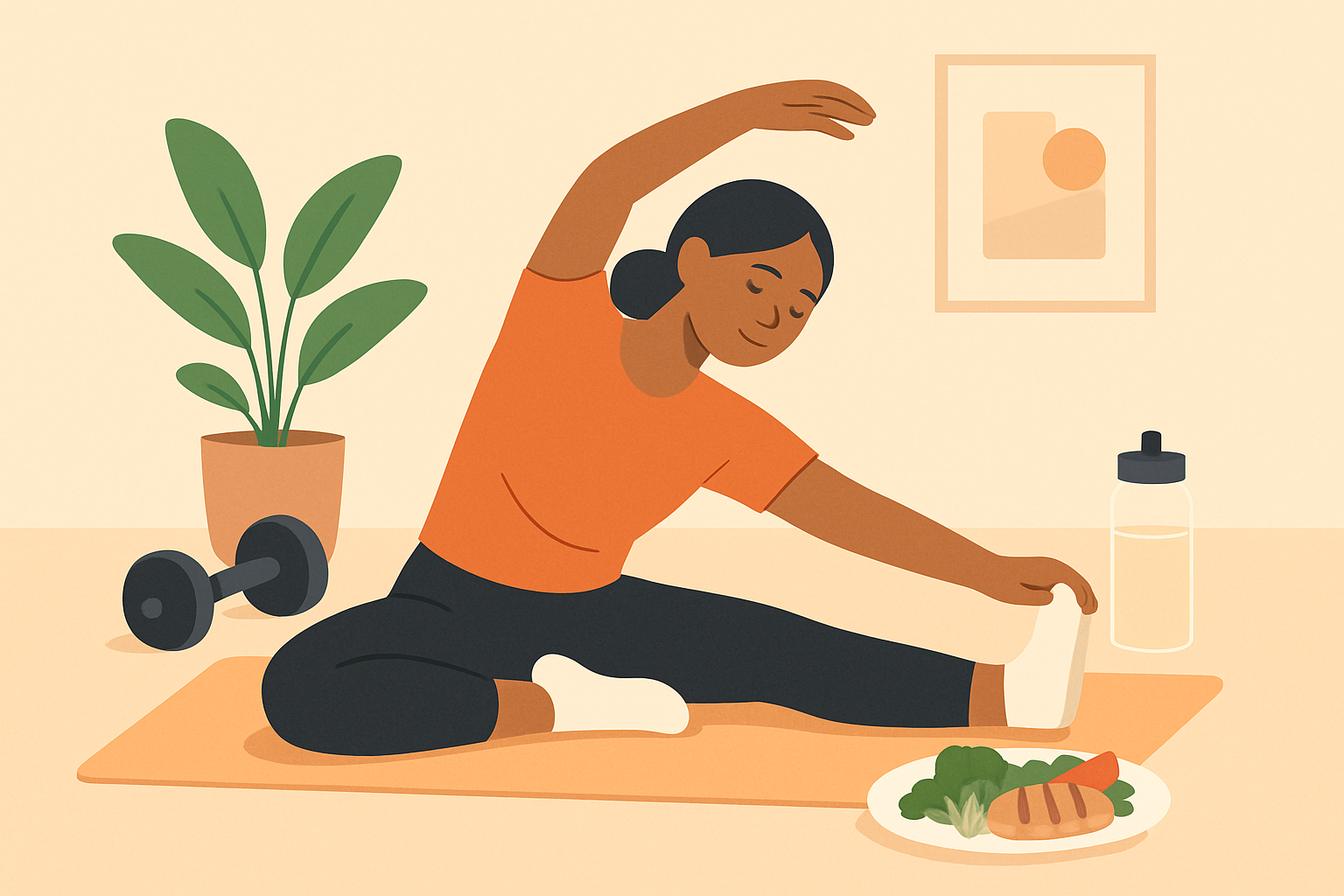

Today, Clint talks about "How to Train Smarter Not Longer" around how you can better understand, and utilise concepts and shape your behaviours towards improved health and fitness over time.
How to Train Smarter Not Longer
In a world where time is precious, learning to train smarter is essential for achieving your fitness goals. Training smarter means focusing on efficiency and safety, ensuring you get the most out of every session without unnecessary fatigue or the risk of injury.
Understanding Smart Training
Smart training involves choosing the right exercises, optimising your time, and ensuring that your workouts are effective. The goal is to build strength, endurance, and flexibility without spending countless hours in the gym.
To achieve this, you'll want to incorporate a structured plan that includes warm-ups, cooldowns, and appropriate progression based on your fitness level. This ensures that your body is prepared for the workload ahead and can recover effectively after each session.
Practical Steps to Train Smarter
1. Warm-Up Properly
Start each session with a 5-10 minute warm-up to increase your heart rate and prepare your muscles. Dynamic stretches, such as leg swings or arm circles, can help.
2. Prioritise Compound Movements
Focus on exercises that engage multiple muscle groups, such as squats, deadlifts, and push-ups. These movements maximise efficiency and calorie burn.
3. Implement High-Intensity Interval Training (HIIT)
Try incorporating short bursts of high-intensity exercises followed by rest periods. This method can provide an efficient workout in a shorter time frame.
4. Maintain Consistency
Stay committed to a regular training schedule. Aim for at least three sessions per week, gradually increasing intensity and duration as you progress.
5. Listen to Your Body
Pain or discomfort should never be ignored. Always consult a professional if you experience any injury. It's important to distinguish between normal discomfort and pain indicating an issue.
6. Cool Down and Recover
End your workouts with a 5-10 minute cooldown. Stretching after exercise can aid in recovery and flexibility.
Expected Timelines
As you implement smarter training practices, expect to see improvements in your performance and recovery within a few weeks. Building endurance and strength may take longer, so patience and consistency are key.
FAQ
How often should I train?
Aim for at least three times a week, adjusting based on your fitness level.Is it necessary to warm up before every workout?
Yes, warming up helps prevent injuries and prepares your body for exercise.Can I still see results with shorter workouts?
Absolutely! Quality and consistency often outweigh quantity in workouts.What if I experience pain during my workout?
If you feel any pain, stop and seek professional guidance. Pushing through pain can lead to injury.
Are you looking for help with your Fitness needs? Our Fitness planner helps with daily checkin reminders specifically tailored to your needs. Track weight, measurements, and key health markers over time, along with meal plans and helpful Ai coaches
If you are new to fitness or out of shape or have existing health conditions, then we strongly advise that you seek the advice of a health professional before embarking on any new fitness regime.
Create your free account today!
Written by our fitness editor Clint Soltaire – Published on: 2026-01-03 08:19:07 · Topic: How to Train Smarter Not Longer
Helpful Fitness Articles
We have a small selection of guides which you might find helpful
Strength Training | Recovery | Motivation | Hyrox Training | Fitness Guidance | Strength | Habits | Fat Loss | Lifestyle | Training | Health | Nutrition | Programming | Cardio | Mindset | Beginners |© 2026 ClientSlot. All rights reserved. We log anonymised analytics