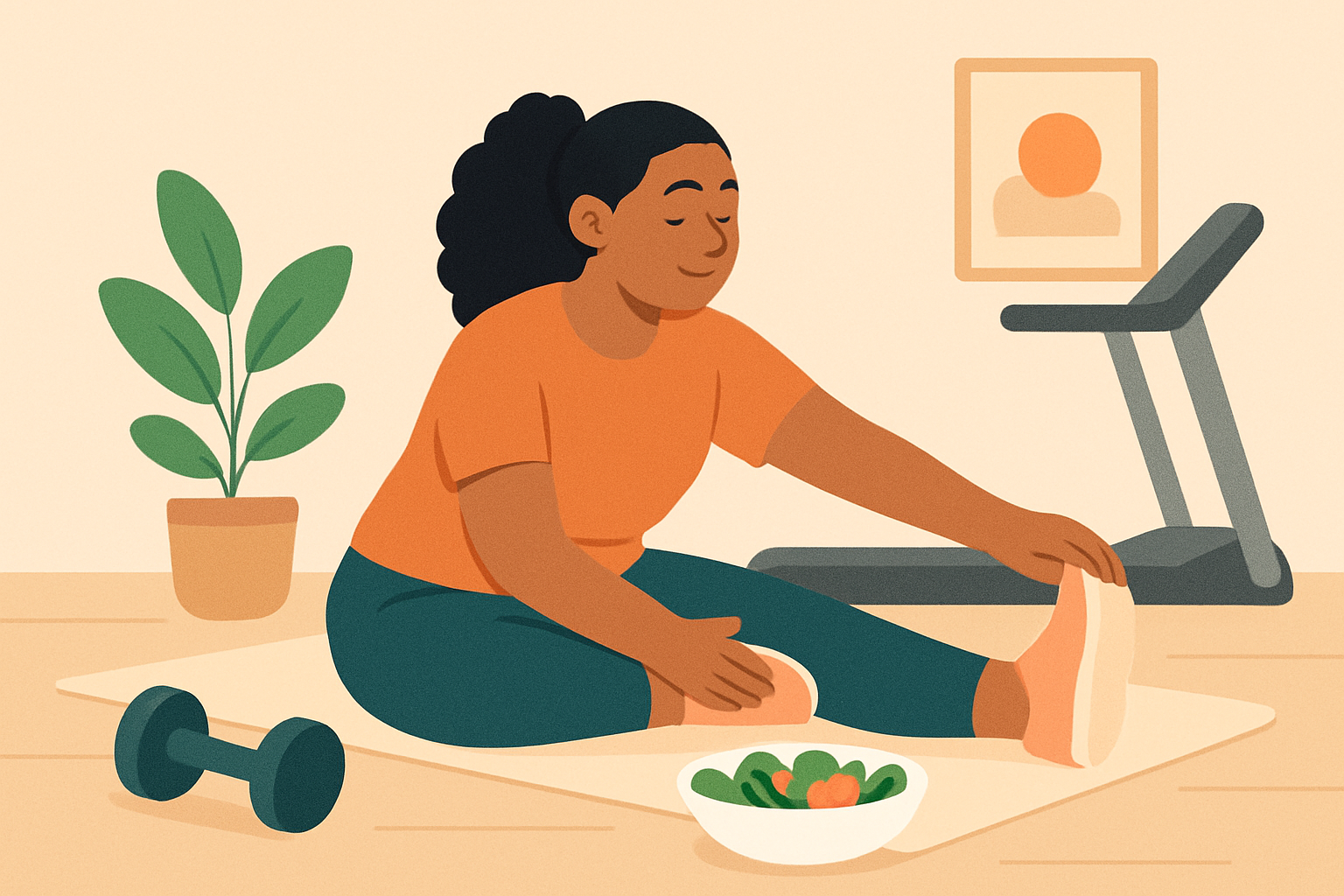

Today, Clint talks about "Cardio Myths That Are Holding You Back" around how you can better understand, and utilise concepts and shape your behaviours towards improved health and fitness over time.
Cardio Myths That Are Holding You Back
As you embark on your fitness journey, you'll likely encounter various misconceptions about cardio that could hinder your progress. Let’s debunk these myths and explore how to make the most of your cardio workouts.
Understanding Cardio Myths
Many people believe certain myths about cardio that can lead to ineffective workouts or dissatisfaction with results. Understanding these misconceptions allows you to create an effective and enjoyable fitness routine.
Myth 1: You Must Do Long Cardio Sessions to Lose Weight
Many think that prolonged cardio sessions are the only way to shed pounds. In reality, shorter, more intense workouts can be equally effective.
Myth 2: Steady-State Cardio Is the Only Way
Steady-state cardio has its benefits, but high-intensity interval training (HIIT) can also boost your metabolism and improve cardiovascular fitness in less time.
Myth 3: Cardio Is Bad for Muscle Gain
While excessive cardio can hinder muscle growth, incorporating moderate amounts can enhance recovery and fitness without sacrificing strength.
Getting the Best from Cardio
To make the most of your cardio, consider a balanced approach that incorporates different types of exercises. Here’s how to get started:
1. Warm-Up
Always begin with a 5-10 minute warm-up to prepare your body. Activities like brisk walking or dynamic stretches can be effective.
2. Mix It Up
Combine different types of cardio: moderate-intensity steady-state, HIIT, and activities like cycling, swimming, and dancing. This keeps sessions interesting and effective.
3. Listen to Your Body
Start gradually, particularly if you are new to exercise. Aim for 150 minutes of moderate-intensity cardio per week, gradually increasing duration and intensity.
4. Incorporate Recovery
Rest and recovery are essential. Schedule days off or engage in low-intensity activities like yoga or light walking.
Expected Timelines
As you implement these strategies, it’s important to remain patient. You may start to notice improvements in your endurance and overall mood within a few weeks of consistent effort.
Frequently Asked Questions
- How often should I do cardio? Aim for at least 150 minutes per week, split into manageable sessions.
- Can I do cardio every day? While cardio can be beneficial daily, ensure you balance intensity and include recovery time.
- What if I have an injury? Always seek professional guidance before starting any cardio programme if you have pain or an injury.
Are you looking for help with your Fitness needs? Our Fitness planner helps with daily checkin reminders specifically tailored to your needs. Track weight, measurements, and key health markers over time, along with meal plans and helpful Ai coaches
If you are new to fitness or out of shape or have existing health conditions, then we strongly advise that you seek the advice of a health professional before embarking on any new fitness regime.
Create your free account today!
Written by our fitness editor Clint Soltaire – Published on: 2026-01-03 08:18:51 · Topic: Cardio Myths That Are Holding You Back
Helpful Fitness Articles
We have a small selection of guides which you might find helpful
Strength Training | Recovery | Motivation | Hyrox Training | Fitness Guidance | Strength | Habits | Fat Loss | Lifestyle | Training | Health | Nutrition | Programming | Cardio | Mindset | Beginners |© 2026 ClientSlot. All rights reserved. We log anonymised analytics