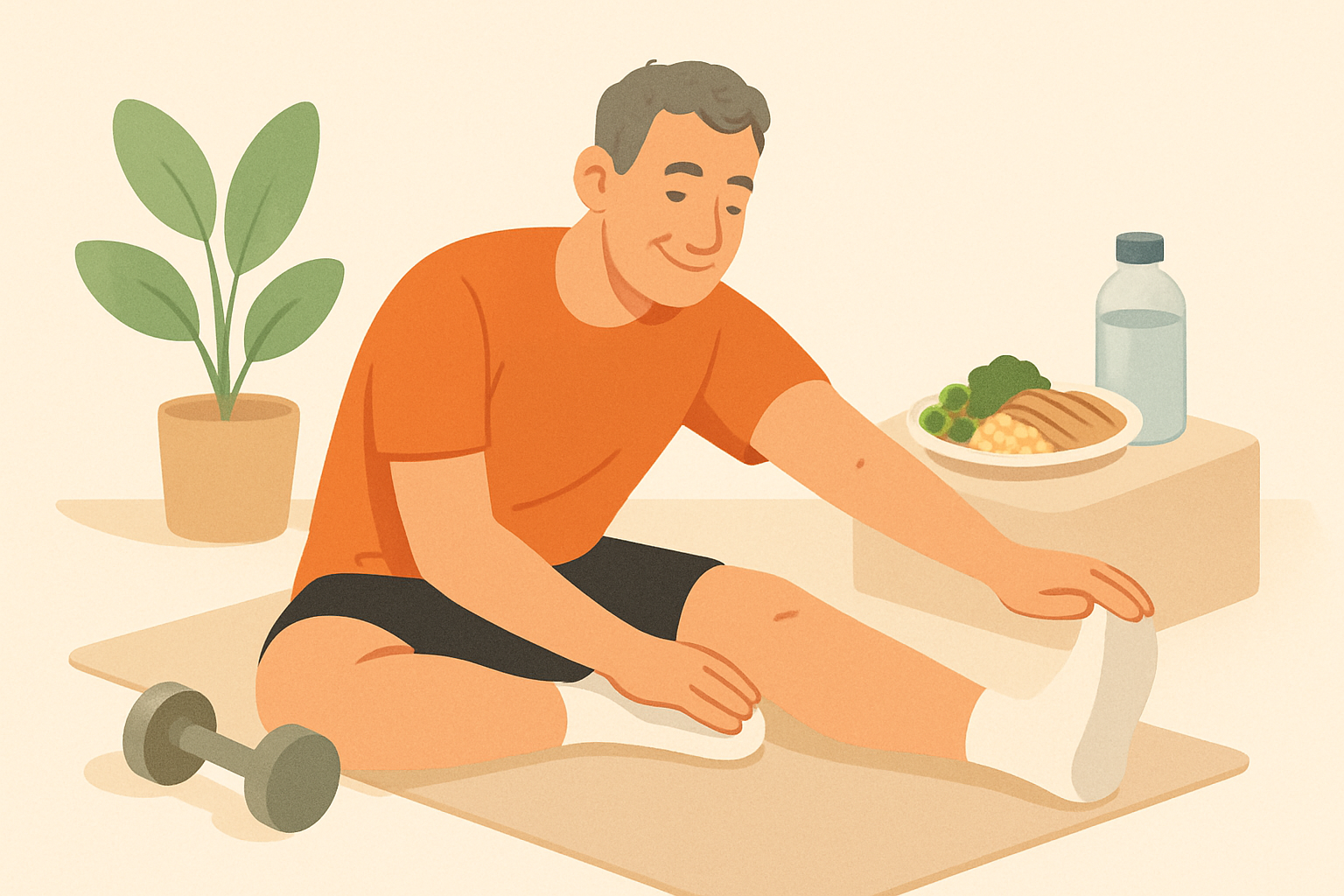

Today, Clint talks about "Building Muscle After 40: What Really Works" around how you can better understand, and utilise concepts and shape your behaviours towards improved health and fitness over time.
Building Muscle After 40 What Really Works
After the age of 40, maintaining and building muscle becomes both more challenging and more important. Muscle tissue naturally declines with age, affecting strength, metabolism, joint stability, and long term health. The encouraging reality is that muscle can still be built well into later life when training, nutrition, and recovery are approached with intention.
Rather than chasing extreme methods, success after 40 comes from consistency, smarter training choices, and a strong focus on nutrition. Strength built steadily supports daily movement, resilience, and confidence for years to come.
Understanding Muscle Growth After 40
Muscle growth is driven by resistance training combined with adequate recovery and nutritional support. After 40, the body responds best to a more thoughtful approach that prioritises joint health, good movement patterns, and sustainable effort.
Strength training remains highly effective at this stage of life, but recovery may take slightly longer and tolerance for excessive volume is often reduced. Listening to your body, using controlled technique, and choosing exercises that suit your current ability all help reduce injury risk while supporting progress.
Meal Planning for Muscle Growth After 40
Meal planning becomes increasingly valuable after 40, not because nutrition needs to be restrictive, but because consistency matters more than perfection. When meals are loosely planned, protein intake improves, energy levels stabilise, and recovery becomes more reliable.
The goal of meal planning at this stage is support rather than control. Planning reduces decision fatigue, prevents under eating, and ensures the body receives the nutrients it needs to respond positively to training.
A simple approach works best. Three balanced meals per day built around protein, vegetables, and a quality carbohydrate source provide a strong foundation. Snacks can be included where needed, particularly around training sessions, but they should support rather than replace meals.
Protein Intake and Muscle Preservation
After 40, the body becomes slightly less responsive to smaller protein doses. This means that spreading adequate protein evenly across the day is more effective than consuming most of it in one meal.
Aim to include a clear protein source at every main meal. For most people, this means building meals around foods such as eggs, meat, fish, dairy, beans, or lentils. Consistency matters more than exact numbers.
Rather than chasing supplements, whole food protein sources provide additional nutrients that support muscle function, bone health, and recovery. Protein powders can be useful for convenience, but they should complement meals, not replace them.
Understanding Carbohydrates After 40
Carbohydrates often become misunderstood with age, yet they play a key role in muscle building and training performance. Strength training relies on stored energy, and without sufficient carbohydrates, workouts can feel harder and recovery can suffer.
Choosing slower digesting carbohydrate sources such as potatoes, rice, oats, fruits, and vegetables helps maintain stable energy levels. These foods support training sessions while also contributing fibre and micronutrients.
Carbohydrate intake does not need to be excessive, but it should be intentional. Aligning higher carbohydrate intake with training days often improves performance and reduces fatigue.
The Role of Dietary Fats and Hormone Support
Dietary fats play an important role in hormone production, joint health, and nutrient absorption. After 40, adequate fat intake supports overall wellbeing and helps maintain consistency with eating habits.
Including sources such as olive oil, nuts, seeds, avocado, eggs, and oily fish supports long term health. Fats also improve meal satisfaction, which reduces the likelihood of overeating later in the day.
Rather than avoiding fats, focus on balance. Meals that include protein, carbohydrates, and fats tend to be more filling and sustainable.
Age Appropriate Macro Guidance Without Complexity
Macronutrient targets do not need to be rigid to be effective. After 40, the priority shifts toward adequacy and consistency rather than precision.
A simple starting framework is to build each main meal around the following structure:
One palm sized portion of protein
One fist sized portion of vegetables
One cupped hand of carbohydrates
One thumb sized portion of fats
This approach naturally adjusts to body size, training demands, and appetite without requiring tracking or calorie counting. Adjustments can be made based on energy levels, training performance, and recovery.
Timing Meals Around Training
Meal timing becomes more important as recovery capacity changes with age. Eating a balanced meal within a few hours before training supports performance, while a protein rich meal after training supports muscle repair.
Post training meals do not need to be immediate, but they should include protein and carbohydrates to replenish energy stores and support recovery. Hydration during and after training is equally important.
Consistent meal timing supports stable energy, improved sleep, and better adherence to training routines.
Common Nutrition Mistakes After 40
Many people unintentionally under eat while trying to improve body composition. This can slow muscle gain, reduce training performance, and increase fatigue.
Another common issue is inconsistent protein intake. Skipping protein at breakfast or relying on small portions makes it harder to preserve muscle mass.
Overly restrictive approaches often backfire. Sustainable muscle building requires sufficient fuel, not constant restraint.
Bringing Training and Nutrition Together
Strength training provides the signal for muscle growth, but nutrition determines how well the body responds. After 40, the margin for error narrows slightly, making consistency more important than intensity.
When meals are planned, protein is prioritised, and recovery is respected, progress becomes reliable and sustainable. The result is not just improved muscle mass, but better energy, joint health, and confidence in everyday movement.
Steps to Build Muscle Safely and Effectively
Start with a Proper Warm Up
Warming up prepares the body for exercise and reduces injury risk. Begin with light movement such as walking or cycling, followed by controlled mobility work for the joints and muscles you will train.
Use Resistance Training
Focus on compound exercises that work multiple muscle groups. Squats, presses, rows, and hinge movements build functional strength. Begin with machines or bodyweight movements if needed and progress gradually toward free weights.
Stay Consistent
Two or three strength sessions per week is enough to stimulate progress when training is well planned. Allow rest days between sessions so muscles can recover and adapt.
Apply Progressive Load Carefully
Gradually increasing resistance over time encourages muscle growth. Progress does not require large jumps in weight. Small increases performed with good form are safer and more effective.
Respect Rest and Recovery
Sleep and recovery are essential for muscle repair. Aim for regular sleep routines and include gentle movement such as walking on rest days to support circulation and recovery.
What Results to Expect
Visible changes take time. Strength improvements are often noticed within the first few weeks, while muscle tone and size changes usually become clearer over several months. Progress after 40 is steady rather than rapid, but it is highly sustainable.
Focusing on long term habits rather than short term transformation leads to better results and fewer setbacks. Strength gained gradually is strength that lasts.
Frequently Asked Questions
Is it too late to build muscle after 40?
No. Muscle can be built at any age with the right training, nutrition, and recovery approach.
How often should I train?
Two or three strength sessions per week is effective for most people when paired with adequate rest.
Do I need a strict diet?
A balanced diet focused on whole foods and sufficient protein is far more effective than extreme dieting.
What if I experience pain during training?
Discomfort and pain are not the same. Stop any movement that causes pain and seek guidance if needed.
Conclusion
Building muscle after 40 is not about pushing harder. It is about training with intention, fuelling the body properly, and allowing recovery to do its work. Nutrition plays a central role in preserving strength, supporting recovery, and maintaining long term health.
With consistent effort, sensible programming, and supportive nutrition, muscle building after 40 becomes not only achievable but sustainable. The result is greater strength, resilience, and confidence well into later life.
Are you looking for help with your Fitness needs? Our Fitness planner helps with daily checkin reminders specifically tailored to your needs. Track weight, measurements, and key health markers over time, along with meal plans and helpful Ai coaches
If you are new to fitness or out of shape or have existing health conditions, then we strongly advise that you seek the advice of a health professional before embarking on any new fitness regime.
Create your free account today!
Written by our fitness editor Clint Soltaire – Published on: 2026-01-03 08:18:36 · Topic: Building Muscle After 40: What Really Works
Helpful Fitness Articles
We have a small selection of guides which you might find helpful
Strength Training | Recovery | Motivation | Hyrox Training | Fitness Guidance | Strength | Habits | Fat Loss | Lifestyle | Training | Health | Nutrition | Programming | Cardio | Mindset | Beginners |© 2026 ClientSlot. All rights reserved. We log anonymised analytics