
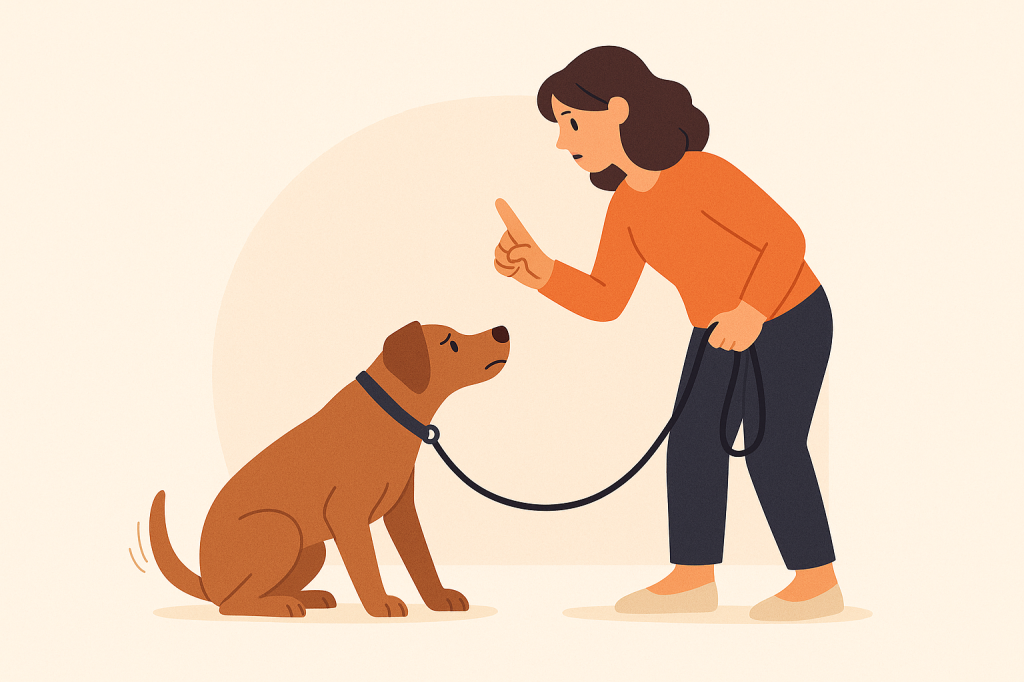
Understanding Nervousness and Reactivity in Dogs
Nervousness and reactivity in dogs can be a source of concern for many owners. Understanding these behaviours is crucial for fostering a calm and secure environment for your furry friend.
What is Nervousness and Reactivity?
Nervousness in dogs often manifests as fear or anxiety in various situations, while reactivity refers to an exaggerated response to stimuli, such as barking or lunging. These behaviours can stem from various factors, including genetics, past experiences, and lack of socialisation.
Dogs might become nervous in new environments, around unfamiliar people or animals, or when exposed to loud noises. Reactivity often occurs when a dog feels threatened or overwhelmed, pushing them to react defensively.
Practical Steps to Help Your Dog
Identify Triggers
Observe your dog closely to identify what situations cause nervousness or reactivity. Keep a record of these instances to understand patterns better.
Provide a Safe Space
Create a calming environment for your dog where they can retreat during stressful moments. This could be a quiet room or a specific area in your home.
Desensitisation and Counter-Conditioning
Gradually expose your dog to their triggers in controlled settings, rewarding calm behaviour with treats or praise. This method helps them learn that the stimulus is not a threat.
Consistency is Key
Remain consistent in your approach. Use the same commands and cues, and ensure all family members are on the same page to avoid confusion.
Professional Guidance
If nervousness and reactivity persist, consider consulting a qualified dog trainer or behaviourist who can offer tailored support and strategies.
Expected Timelines
Every dog is unique, and changes may take time. With consistent effort, you may begin to observe improvements in weeks to months. Remember to celebrate small victories and remain patient with your dog's progress.
Frequently Asked Questions
Is nervousness in my dog a sign of a problem?
Not necessarily. It is common in many dogs and can be managed with the right approach.How can I tell if my dog is happy or just masking anxiety?
Pay attention to their body language. Relaxed body posture, wagging tails, and playfulness typically indicate happiness.Can medication help with my dog's nervousness?
This is a possibility, but such decisions should be discussed with a veterinary professional.
Are you looking for help with your dog training needs? Our Dog Assistant helps with daily checkin reminders specifically tailored to your dog's needs and breed. If you have a problem related to "Nervousness and Reactivity issues" then give us a try!
Create your free account today!
Written by ClientSlot's Dog Training Expert on: 2025-12-30 15:11:34 Topic: Nervousness and Reactivity
Helpful Dog Training Articles
We have a small selection of guides which you might find helpful
Comfort | Separation Anxiety | Walking & Lead | Fear & Anxiety | Obsessive Behaviours | Training & Focus | Social Skills & Play | Calm & Settle | Arousal & Impulse | Recall | Separation & Sitters | Manners & Greeting | Handling & Touch | Resource Guarding | Barking | Food & Scavenging | Reactivity | Vet & Grooming | Travel & Car | Escaping & Boundaries | Destructive - Outdoor | Mouthing & Chewing | House Training |© 2026 ClientSlot. All rights reserved.