
Understanding Impulse Control Issues in Dogs
Many dog owners encounter behaviours that can be challenging to manage, particularly those related to impulse control. Understanding this aspect of your dog's behaviour is essential for fostering a well-mannered companion.
What are Impulse Control Issues?
Impulse control issues in dogs refer to their difficulty in controlling their reactions in various situations. This can manifest as jumping up on people, barking excessively when excited, or lunging at distractions during walks. These behaviours can be frustrating for owners and may lead to potentially dangerous situations.
Why Do Impulse Control Issues Happen?
Impulse control challenges can arise for several reasons, including:
- Age: Younger dogs and puppies often display higher energy levels and less maturity, making impulse control harder.
- Intelligence: Highly intelligent breeds may require more mental stimulation, leading to behaviours that reflect boredom or excess energy.
- Lack of Training: Insufficient training in basic commands and behaviours can contribute to poor impulse control.
- Genetics: Some breeds are more predisposed to impulsive behaviours due to their natural instincts and tendencies.
Practical Steps to Improve Impulse Control
Improving your dog's impulse control requires patience and consistency. Here are effective steps you can take:
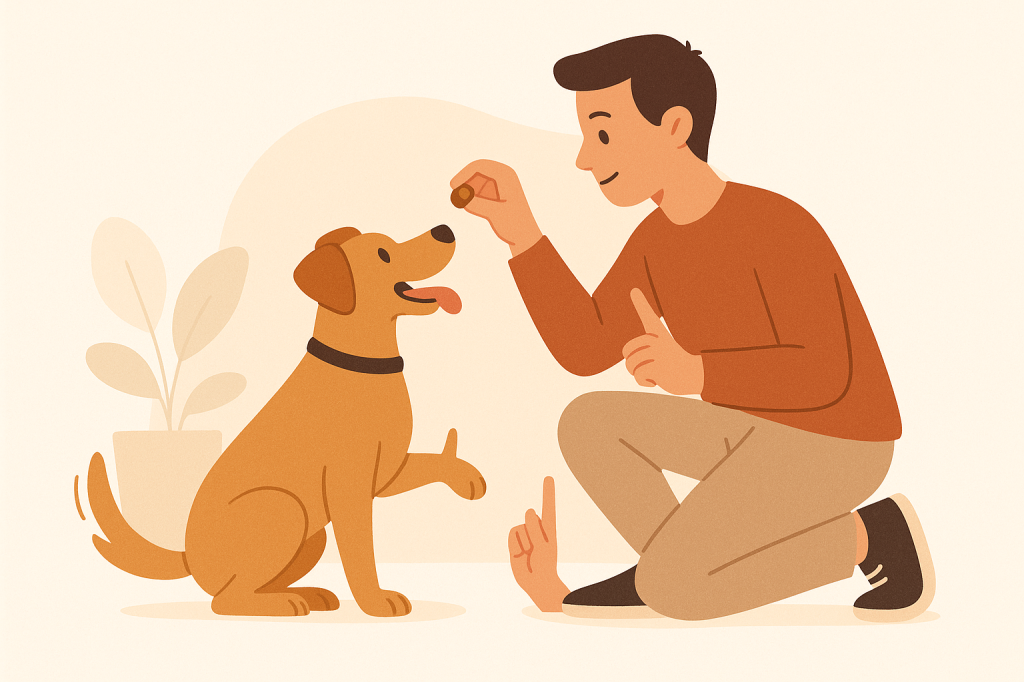
- Teach the 'Wait' Command: This helps your dog learn to pause before acting. Start with low-distraction environments.
- Reinforce Calm Behaviour: Reward your dog for exhibiting calm behaviours, such as sitting quietly, to encourage good habits.
- Engage in Structured Activities: Regular activities like obedience training or agility can provide mental stimulation and reduce impulsive reactions.
- Use Interactive Toys: Puzzle toys can keep your dog busy and reinforce patience as they learn to solve the challenges presented.
- Set a Routine: Establishing a consistent daily routine can help your dog feel secure and reduce anxiety, leading to better impulse control.
Expected Timelines for Improvement
The timeline for improvement can vary widely among dogs, depending on their age, breed, and previous training. Generally, owners may start noticing gradual improvements within a few weeks of consistent training. For significant changes, it may take several months. Regular practice and reinforcement are key to long-term success.
Frequently Asked Questions
Q: Can all dogs learn impulse control?
A: Yes, with consistent training and patience, most dogs can learn to improve their impulse control.
Q: Should I consult a trainer?
A: If you struggle to manage your dog's behaviour, a professional trainer can provide tailored guidance and support.
Q: Is impulse control training suitable for all breeds?
A: Yes, impulse control training is beneficial for all breeds and ages, but the approach may differ based on individual needs.
Are you looking for help with your dog training needs? Our Dog Assistant helps with daily checkin reminders specifically tailored to your dog's needs and breed. If you have a problem related to "Impulse control issues issues" then give us a try!
Create your free account today!
Written by ClientSlot's Dog Training Expert on: 2025-12-30 12:00:17 Topic: Impulse control issues
Helpful Dog Training Articles
We have a small selection of guides which you might find helpful
Comfort | Separation Anxiety | Walking & Lead | Fear & Anxiety | Obsessive Behaviours | Training & Focus | Social Skills & Play | Calm & Settle | Arousal & Impulse | Recall | Separation & Sitters | Manners & Greeting | Handling & Touch | Resource Guarding | Barking | Food & Scavenging | Reactivity | Vet & Grooming | Travel & Car | Escaping & Boundaries | Destructive - Outdoor | Mouthing & Chewing | House Training |© 2026 ClientSlot. All rights reserved.