
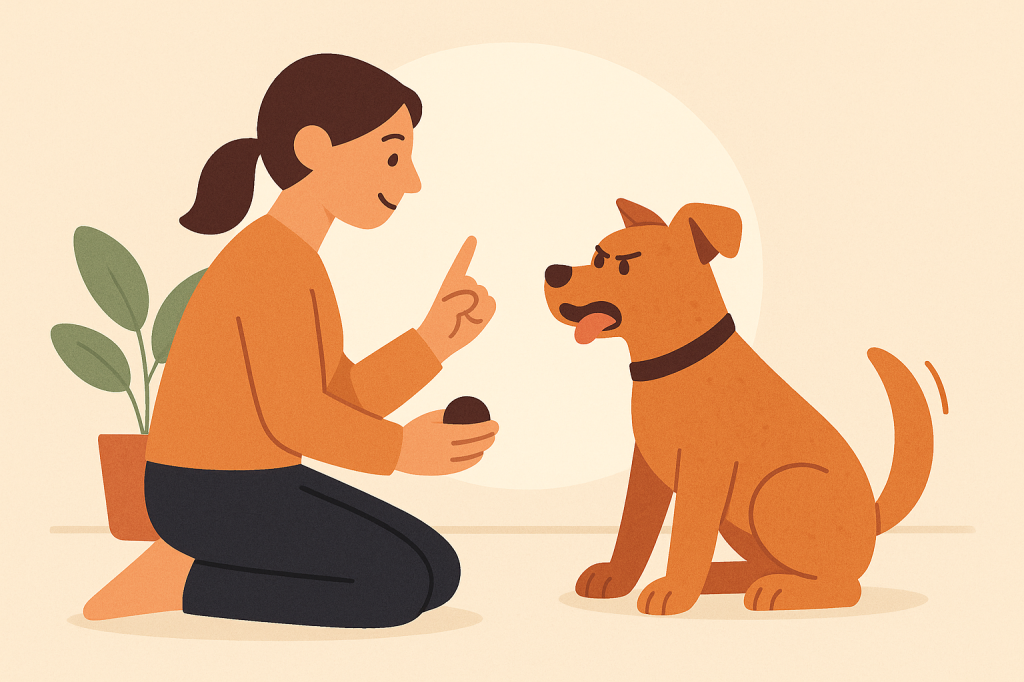
Understanding Frustration Tolerance Issues in Dogs
Frustration tolerance issues in dogs can manifest in various behaviours, from barking and whining to destructive actions. Recognising and managing these behaviours is essential for a harmonious relationship with your pet.
What Are Frustration Tolerance Issues?
Frustration tolerance refers to a dog's ability to cope with situations that cause them disappointment or stress. Dogs may struggle to manage frustration for several reasons, including lack of socialisation, inappropriate reinforcement, or high levels of energy.
These issues can arise in situations like being kept waiting for their food, not being allowed to reach a toy, or when their play is interrupted. When dogs cannot express their needs or desires, they may resort to behaviours that can be problematic.
How to Stop or Reduce Frustration Behaviours
There are several practical steps you can take to help your dog develop better frustration tolerance:
- Teach Impulse Control: Train your dog to sit and wait for their food or toys. Use commands like 'wait' or 'stay' to build patience.
- Gradual Exposure: Gradually expose your dog to situations that trigger frustration in a controlled manner. Start with short waits and gradually increase the time as your dog becomes more comfortable.
- Positive Reinforcement: Reward calm behaviour with treats or praise. This encourages your dog to associate waiting or calmness with positive outcomes.
- Provide Mental Stimulation: Engage your dog with puzzle toys or training exercises to help expend energy and focus their mind.
Expected Timelines for Improvement
The timeline for seeing improvement varies by dog and situation. With consistent practice, you may begin to see positive changes within a few weeks. More ingrained behaviours may take several months to address effectively.
Frequently Asked Questions
How can I tell if my dog is frustrated?
Signs of frustration may include barking, whining, pawing, or other destructive behaviours. Observe your dog's body language for signs of stress, such as raised hackles or a lowered head.
Can frustration tolerance be improved in all dogs?
Yes, with patience and the right techniques, most dogs can learn to improve their frustration tolerance, although some may require more time and support than others.
Are you looking for help with your dog training needs? Our Dog Assistant helps with daily checkin reminders specifically tailored to your dog's needs and breed. If you have a problem related to "frustration tolerance issues issues" then give us a try!
Create your free account today!
Written by ClientSlot's Dog Training Expert on: 2025-12-31 02:10:37 Topic: frustration tolerance issues
Helpful Dog Training Articles
We have a small selection of guides which you might find helpful
Comfort | Separation Anxiety | Walking & Lead | Fear & Anxiety | Obsessive Behaviours | Training & Focus | Social Skills & Play | Calm & Settle | Arousal & Impulse | Recall | Separation & Sitters | Manners & Greeting | Handling & Touch | Resource Guarding | Barking | Food & Scavenging | Reactivity | Vet & Grooming | Travel & Car | Escaping & Boundaries | Destructive - Outdoor | Mouthing & Chewing | House Training |© 2026 ClientSlot. All rights reserved.