
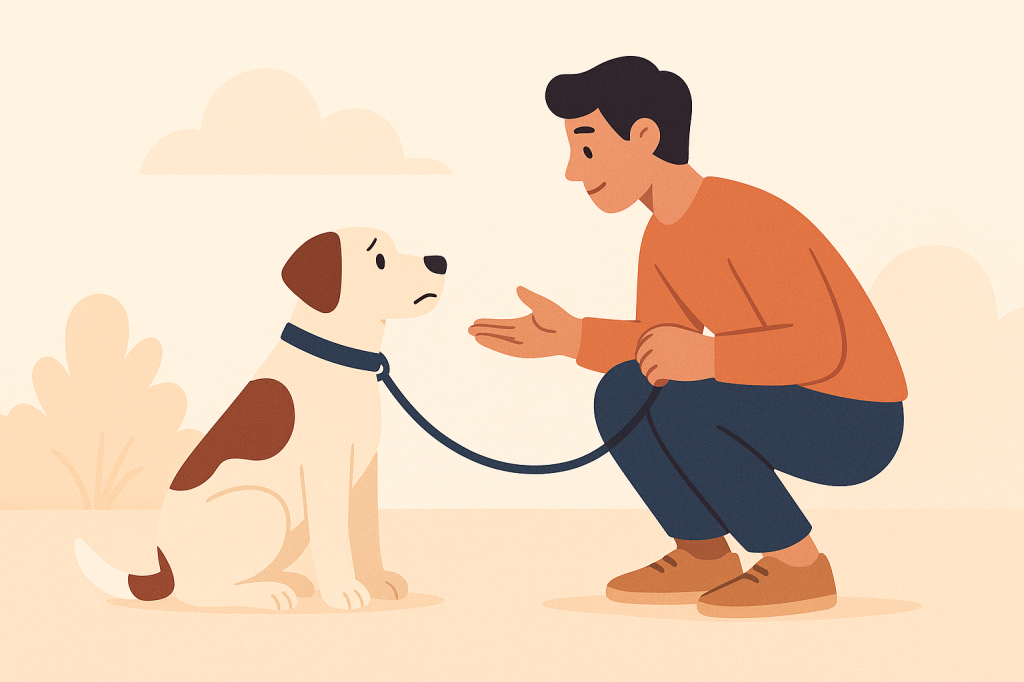
Understanding Freezing on Walks: Causes and Solutions
Walking your dog should be a joyful experience, but sometimes dogs may freeze during walks. This behaviour can be concerning for owners, leaving them unsure of how to proceed. In this article, we’ll explore why this happens and what you can do to help.
Why Do Dogs Freeze on Walks?
Freezing can occur for several reasons, and understanding these can help you address the behaviour. Common causes include:
- Fear or Anxiety: Dogs may freeze when they encounter unfamiliar sights, sounds, or smells that frighten them.
- Overstimulation: Sometimes, too much excitement from the environment can overwhelm a dog, leading them to freeze as a way to cope.
- Discomfort: Physical discomfort from their harness or collar, or feeling tired, can cause a dog to suddenly stop moving.
Being aware of these factors can assist you in understanding your dog's needs better.
How to Stop or Reduce Freezing
If your dog frequently freezes during walks, there are several practical steps you can take:
- Identify Triggers: Pay attention to what causes your dog to freeze. Is it a specific noise, person, or type of environment? Recognising triggers can help you prepare for future walks.
- Positive Reinforcement: Use treats or praise to encourage your dog to continue moving when they encounter a trigger. Rewarding them for moving forward can build confidence.
- Short, Positive Walks: Instead of long walks, start with shorter, enjoyable routes where your dog feels safe. Gradually increase the length as they become more comfortable.
- Desensitisation: Introduce your dog to new environments slowly. Spend time in areas where they feel safe before progressing to more challenging locations.
- Regular Breaks: Offer your dog breaks during walks to sniff around and explore at their own pace, allowing them to assess their surroundings.
Expected Timelines
Every dog is different, and the time it takes to reduce freezing behaviour can vary. Some dogs may show improvement within a few walks, while others may take weeks or months. Consistency and patience are key.
Frequently Asked Questions
Is freezing a sign of a serious problem?
Freezing can be a normal behaviour in response to stress or discomfort but should be addressed with supportive measures.
Can training help with freezing behaviour?
Yes, training can be beneficial. Positive reinforcement techniques can help your dog feel more secure on walks.
What if my dog continues to freeze despite my efforts?
If freezing persists, consider consulting a professional dog behaviourist for personalised strategies.
Are you looking for help with your dog training needs? Our Dog Assistant helps with daily checkin reminders specifically tailored to your dog's needs and breed. If you have a problem related to "freezing on walks issues" then give us a try!
Create your free account today!
Written by ClientSlot's Dog Training Expert on: 2025-12-31 02:08:57 Topic: freezing on walks
Helpful Dog Training Articles
We have a small selection of guides which you might find helpful
Comfort | Separation Anxiety | Walking & Lead | Fear & Anxiety | Obsessive Behaviours | Training & Focus | Social Skills & Play | Calm & Settle | Arousal & Impulse | Recall | Separation & Sitters | Manners & Greeting | Handling & Touch | Resource Guarding | Barking | Food & Scavenging | Reactivity | Vet & Grooming | Travel & Car | Escaping & Boundaries | Destructive - Outdoor | Mouthing & Chewing | House Training |© 2026 ClientSlot. All rights reserved.