
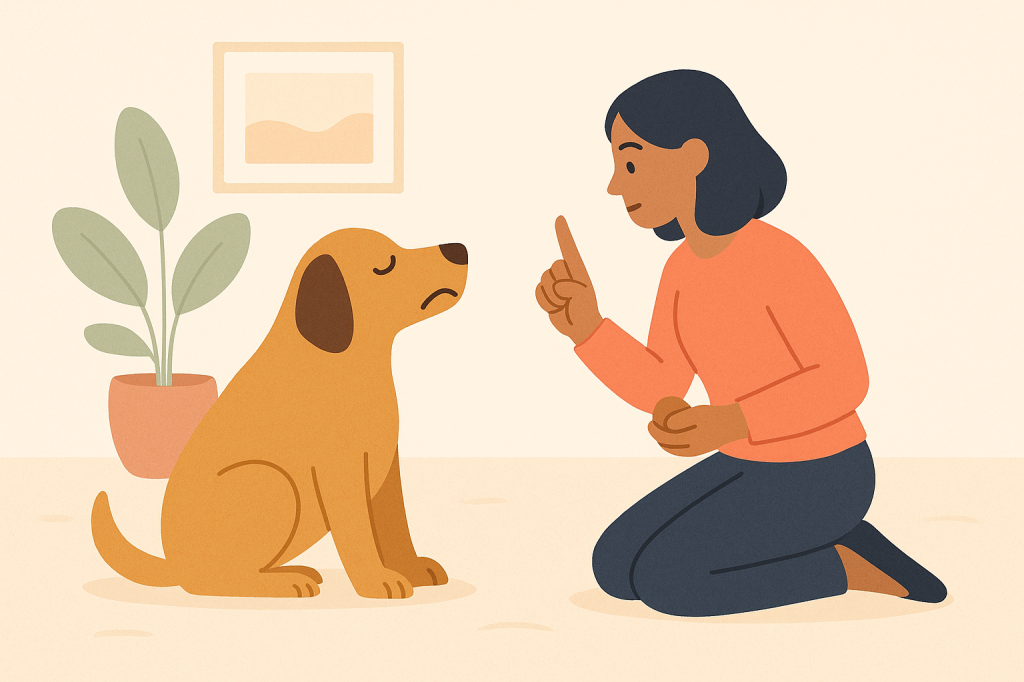
Understanding and Overcoming Resistance to Training in Dogs
Training your dog is a rewarding journey, yet it can also be challenging when your furry friend seems resistant to learning. Understanding the reasons behind this resistance can help you create a more positive training experience.
Why Does Resistance to Training Occur?
Resistance can stem from several factors:
Lack of Motivation: If the dog does not find the training rewarding, they may not engage fully.
Previous Negative Experiences: Past experiences with training might have been stressful, leading to anxiety about new training instances.
Distractions: Environmental factors, such as noise or other animals, can impede focus and willingness to learn.
Physical Discomfort: Although this article will not cover medical issues, discomfort from conditions like arthritis can make training difficult for older dogs.
Inconsistent Training Methods: Dogs thrive on consistency. Changing methods can confuse them and lead to resistance.
Practical Steps to Reduce Resistance
Here are some strategies to encourage your dog to engage more positively with training:
Identify Motivators: Discover what motivates your dog, whether it be treats, toys, or affection. Use these as rewards during training sessions.
Positive Reinforcement: Focus on rewarding desired behaviours rather than punishing mistakes. This creates a more positive environment for learning.
Short, Engaging Sessions: Keep training sessions brief and fun. Aim for 5 to 10 minutes at a time to maintain your dog's interest.
Choose the Right Environment: Start training in a calm, distraction-free area before gradually introducing more challenging surroundings.
Be Consistent: Use the same cues and commands and practice regularly to build familiarity and confidence in your dog.
Expected Timelines
Every dog learns at their own pace. You may notice small improvements within a week, with significant progress seen over a month or two. Patience and consistency are key.
Frequently Asked Questions
How long should I train my dog each day?
Start with short sessions of 5 to 10 minutes, gradually increasing as your dog becomes more engaged.
What if my dog still resists training?
If resistance continues, consider working with a professional trainer who can provide personalised guidance.
Can breed affect training resistance?
Yes, different breeds have varying temperaments and motivations. Tailor your approach to suit your dog's specific needs and characteristics.
Are you looking for help with your dog training needs? Our Dog Assistant helps with daily checkin reminders specifically tailored to your dog's needs and breed. If you have a problem related to "resistance to training issues" then give us a try!
Create your free account today!
Written by ClientSlot's Dog Training Expert on: 2025-12-31 02:13:52 Topic: resistance to training
Helpful Dog Training Articles
We have a small selection of guides which you might find helpful
Comfort | Separation Anxiety | Walking & Lead | Fear & Anxiety | Obsessive Behaviours | Training & Focus | Social Skills & Play | Calm & Settle | Arousal & Impulse | Recall | Separation & Sitters | Manners & Greeting | Handling & Touch | Resource Guarding | Barking | Food & Scavenging | Reactivity | Vet & Grooming | Travel & Car | Escaping & Boundaries | Destructive - Outdoor | Mouthing & Chewing | House Training |© 2026 ClientSlot. All rights reserved.