
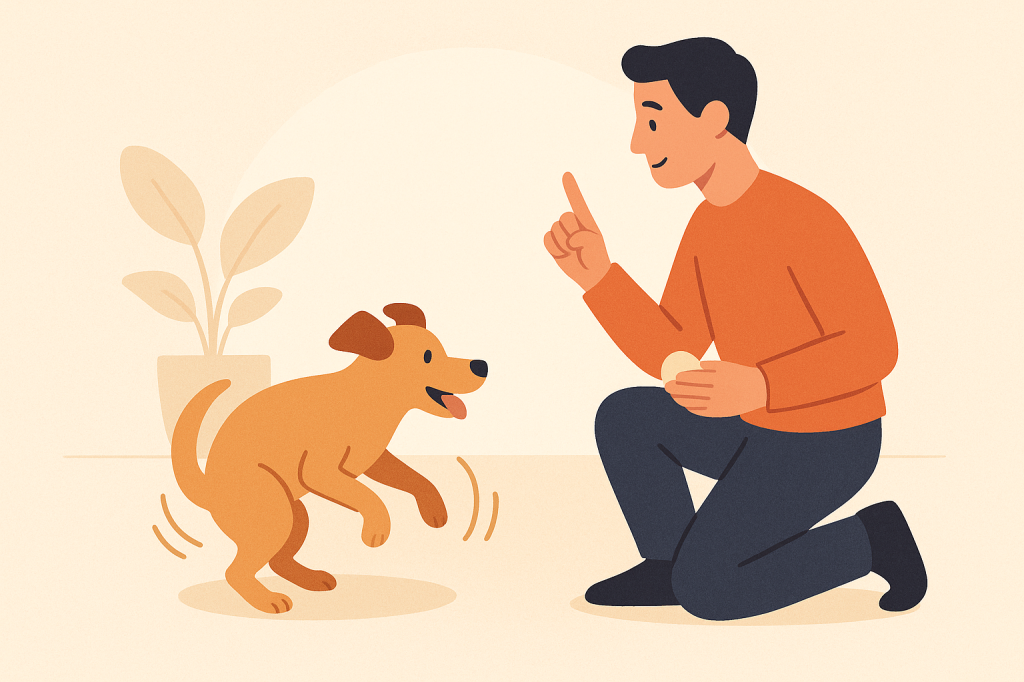
Understanding and Managing Tail Chasing in Dogs
As a dog owner, witnessing your dog chase their tail can be a perplexing and, at times, concerning behaviour. While some dogs engage in this activity occasionally, others may do so more persistently. Understanding why your dog behaves this way is crucial in addressing the issue effectively.
The Nature of Tail Chasing
Tail chasing can be a normal behaviour in dogs, especially in young puppies who are still exploring their bodies and learning about their environment. However, when it becomes excessive, it could indicate boredom, anxiety, or even a compulsive disorder.
Some dogs may chase their tails due to an excess of energy that lacks proper outlets. This is more common in active or intelligent breeds that need mental and physical stimulation. Other factors could include stress, frustration, or attention-seeking behaviour.
How to Stop or Reduce Tail Chasing
1. Provide Regular Exercise
Ensure your dog gets enough physical activity each day. Regular walks, playtime, and engaging games can help burn off excess energy and reduce the urge to chase their tail.
2. Mental Stimulation
Incorporate puzzle toys, training sessions, and interactive games into your dog’s routine. This stimulation encourages focus and helps alleviate boredom.
3. Redirect Behaviour
If you notice your dog starting to chase their tail, distract them with a toy or an activity. Training commands like
Are you looking for help with your dog training needs? Our Dog Assistant helps with daily checkin reminders specifically tailored to your dog's needs and breed. If you have a problem related to "tail chasing issues" then give us a try!
Create your free account today!
Written by ClientSlot's Dog Training Expert on: 2025-12-31 02:14:39 Topic: tail chasing
Helpful Dog Training Articles
We have a small selection of guides which you might find helpful
Comfort | Separation Anxiety | Walking & Lead | Fear & Anxiety | Obsessive Behaviours | Training & Focus | Social Skills & Play | Calm & Settle | Arousal & Impulse | Recall | Separation & Sitters | Manners & Greeting | Handling & Touch | Resource Guarding | Barking | Food & Scavenging | Reactivity | Vet & Grooming | Travel & Car | Escaping & Boundaries | Destructive - Outdoor | Mouthing & Chewing | House Training |© 2026 ClientSlot. All rights reserved.