
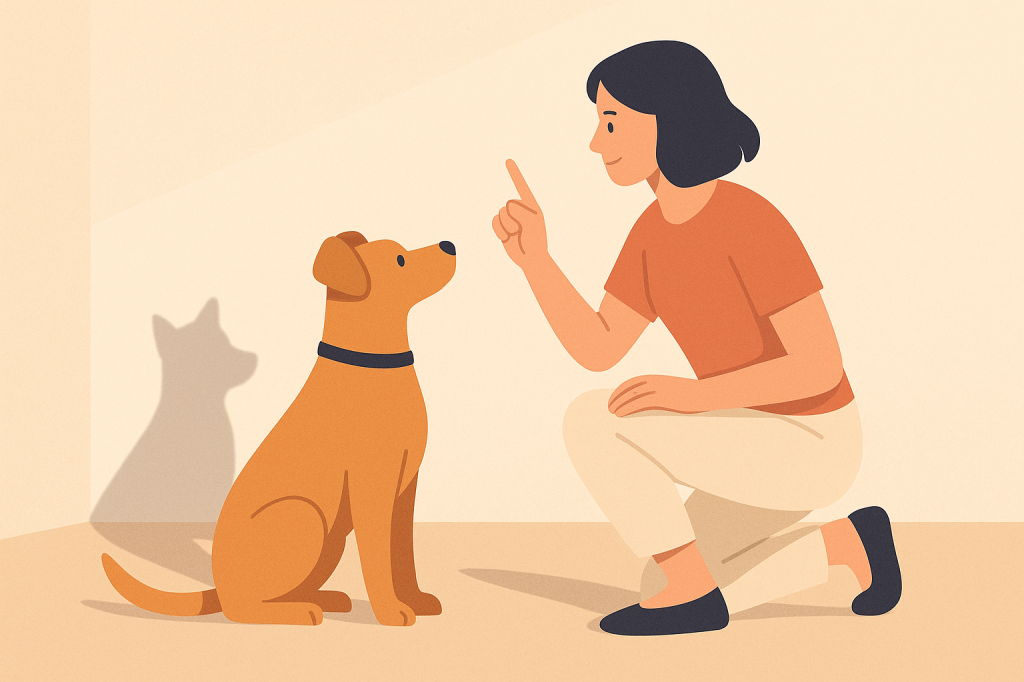
Understanding and Managing Shadow Chasing in Dogs
Shadow chasing can be an intriguing yet concerning behaviour observed in dogs. This article provides guidance for dog owners looking to understand and manage this behaviour effectively.
What is Shadow Chasing?
Shadow chasing occurs when a dog relentlessly pursues shadows, reflections, or light spots. This behaviour can be both playful and obsessive, causing concern for many dog owners. It often arises from a dog’s natural instinct to chase moving objects, combined with the stimulation provided by the environment.
Why Does it Happen?
There are several reasons why your dog might engage in shadow chasing:
Instinctual behaviour: Dogs have a natural instinct to chase. The movement of light or shadows can trigger this behaviour.
Hunting drive: Some breeds are more predisposed to chase due to their hunting backgrounds.
Lack of stimulation: Dogs may chase shadows out of boredom if they are not adequately exercised or mentally stimulated.
Anxiety: In some cases, shadow chasing can be a coping mechanism for stress or anxiety.
Practical Steps to Reduce Shadow Chasing
If your dog is exhibiting shadow chasing behaviour, there are several strategies to help reduce it:
Increase physical exercise: Ensure your dog receives ample physical activity through daily walks and play sessions to burn off excess energy.
Provide mental stimulation: Engage your dog with puzzle toys, training exercises, or interactive games to keep their mind active.
Redirect behaviour: When your dog starts to chase shadows, calmly redirect them to a toy or a game that encourages appropriate behaviour.
Create a safe space: If possible, limit your dog's access to areas with a lot of reflective surfaces or where light causes confusion.
Consult a professional: If the behaviour becomes excessive, consider seeking help from a qualified dog behaviourist who can provide tailored guidance.
Expected Timelines for Change
Changing a dog's behaviour can take time and patience. With consistent efforts, you may start to see improvements within a few weeks. However, every dog is different, and some may take longer to adjust than others. Consistency in the approach and positive reinforcement will aid the process.
Frequently Asked Questions
Is shadow chasing harmful to my dog?
While it may not be physically harmful, excessive shadow chasing can lead to anxiety or frustration and should be addressed.
Can all dogs learn to stop chasing shadows?
Most dogs can learn to reduce this behaviour with consistent training and engagement, but some may need additional support.
Is it ever okay to let my dog chase shadows?
It is best to redirect this behaviour to more appropriate outlets to avoid fostering an obsession.
Are you looking for help with your dog training needs? Our Dog Assistant helps with daily checkin reminders specifically tailored to your dog's needs and breed. If you have a problem related to "shadow chasing issues" then give us a try!
Create your free account today!
Written by ClientSlot's Dog Training Expert on: 2025-12-31 02:14:28 Topic: shadow chasing
Helpful Dog Training Articles
We have a small selection of guides which you might find helpful
Comfort | Separation Anxiety | Walking & Lead | Fear & Anxiety | Obsessive Behaviours | Training & Focus | Social Skills & Play | Calm & Settle | Arousal & Impulse | Recall | Separation & Sitters | Manners & Greeting | Handling & Touch | Resource Guarding | Barking | Food & Scavenging | Reactivity | Vet & Grooming | Travel & Car | Escaping & Boundaries | Destructive - Outdoor | Mouthing & Chewing | House Training |© 2026 ClientSlot. All rights reserved.