
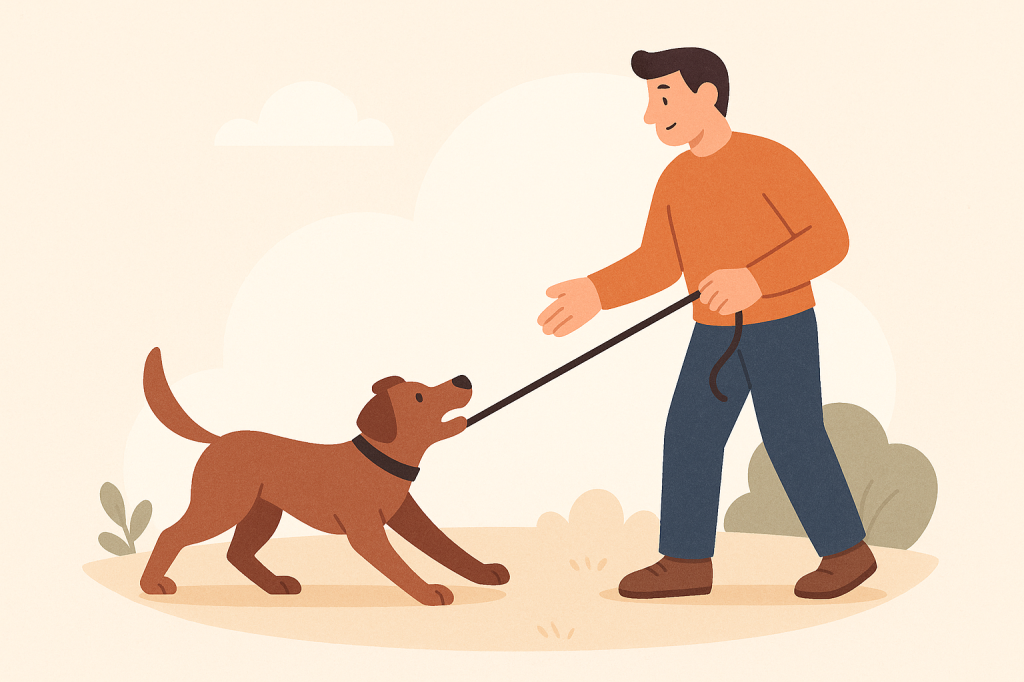
Understanding and Managing Lead Pulling
Walking your dog should be an enjoyable experience, but if your dog pulls on the lead, it can become quite a challenge. This article offers insights and practical solutions to help you address this common issue.
What is Lead Pulling?
Lead pulling occurs when dogs consistently pull on their lead during walks, often leading to discomfort for both the dog and the owner. This behaviour can cause strain on the dog's neck and make walks less enjoyable for everyone involved.
Why Does Lead Pulling Happen?
There are several reasons why dogs pull on the lead:
- Excitement: Many dogs are eager to explore their surroundings, which can lead to pulling.
- Lack of Training: Dogs may not have learned proper lead manners.
- Stress or Anxiety: Some dogs may pull due to nervousness in new environments.
- Reinforcement: If pulling results in reaching their desired destination quicker, dogs learn to repeat the behaviour.
Practical Steps to Address Lead Pulling
Here are some strategies to help manage and reduce lead pulling:
- Use a suitable lead and harness: Consider a front-clip harness, which can help reduce pulling.
- Practice consistent training: Teach your dog a cue like 'heel' or 'let's go', rewarding them when they walk beside you.
- Stop and wait: If your dog pulls, come to a stop until they return to your side before continuing. This will help them associate staying close with movement.
- Provide regular exercise: Ensure your dog has ample opportunities to release their energy before walks.
- Short, frequent walks: Initially, keep walks short to give your dog the chance to learn without becoming overstimulated.
Expected Timelines for Improvement
Progress can vary depending on your dog's age, breed, and previous training. Many owners notice improvement within a few weeks of consistent practice. However, some dogs may take longer, requiring patience and ongoing reinforcement.
FAQ
How long will it take for my dog to stop pulling?
With consistent training, many dogs show progress within a few weeks, but it may take longer for some.
Is it harmful for my dog to pull on the lead?
Yes, pulling can cause strain on the neck and spine, especially in dogs with sensitive etc.
What if my dog doesn't respond to training?
Consider seeking support from a professional trainer or behaviourist for tailored guidance.
Are you looking for help with your dog training needs? Our Dog Assistant helps with daily checkin reminders specifically tailored to your dog's needs and breed. If you have a problem related to "Pulling on the lead issues" then give us a try!
Create your free account today!
Written by ClientSlot's Dog Training Expert on: 2025-12-30 11:56:04 Topic: Pulling on the lead
Helpful Dog Training Articles
We have a small selection of guides which you might find helpful
Comfort | Separation Anxiety | Walking & Lead | Fear & Anxiety | Obsessive Behaviours | Training & Focus | Social Skills & Play | Calm & Settle | Arousal & Impulse | Recall | Separation & Sitters | Manners & Greeting | Handling & Touch | Resource Guarding | Barking | Food & Scavenging | Reactivity | Vet & Grooming | Travel & Car | Escaping & Boundaries | Destructive - Outdoor | Mouthing & Chewing | House Training |© 2026 ClientSlot. All rights reserved.