
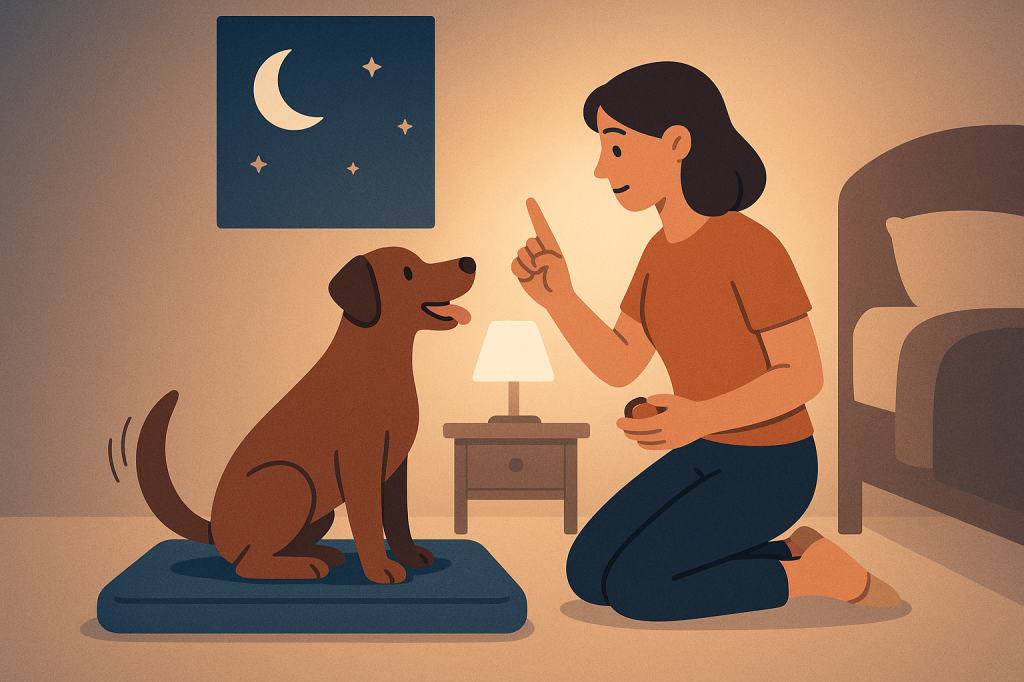
Understanding and Addressing Night Time Whining in Dogs
Night time whining can be distressing for both you and your dog. Recognising the reasons behind this behaviour and implementing supportive strategies can help foster a more peaceful night.
What is Night Time Whining?
Whining during the night is a common issue for dog owners. It typically involves your dog vocalising their discomfort or unease. This behaviour may vary in intensity from light whimpers to more pronounced vocalisations.
Why Does It Happen?
Understanding why your dog might be whining at night can help in addressing the behaviour. Several reasons could include:
- Separation anxiety when left alone.
- Discomfort due to temperature or an uncomfortable sleeping place.
- Need for toilet breaks, especially in puppies or older dogs.
- Fear of the dark or unfamiliar noises.
- Boredom and excess energy.
Practical Steps to Help Your Dog
Here are some effective strategies you can implement to help your dog settle at night:
- Create a comfortable sleeping area, ensuring it is warm, safe, and free from disturbances.
- Establish a bedtime routine that helps signal to your dog that it is time to sleep.
- Ensure they have had adequate exercise and stimulation during the day to help tire them out.
- Consider crate training, if appropriate, as this can provide a secure environment for your dog.
- Gradually get your dog used to being alone for longer periods to help reduce separation anxiety.
- If outdoors sounds are causing anxiety, use white noise machines or soothing music to create a calming atmosphere.
Expected Timelines for Improvement
Every dog is different, and the time it takes to resolve night time whining can vary. Some dogs may show improvement within a few nights, while others may take several weeks. Consistency and patience are key in helping your dog adapt.
Frequently Asked Questions
Is it normal for puppies to whine at night?
Yes, puppies often whine due to anxiety, needing comfort or for toilet breaks, as they are adjusting to their new environment.
What should I do if my dog continues to whine?
If the behaviour persists, consider seeking guidance from a professional dog behaviourist for tailored advice.
Will my dog outgrow this behaviour?
Many dogs will outgrow night time whining as they become more secure in their environment, especially with supportive measures in place.
Are you looking for help with your dog training needs? Our Dog Assistant helps with daily checkin reminders specifically tailored to your dog's needs and breed. If you have a problem related to "Night time whining issues" then give us a try!
Create your free account today!
Written by ClientSlot's Dog Training Expert on: 2025-12-30 11:58:07 Topic: Night time whining
Helpful Dog Training Articles
We have a small selection of guides which you might find helpful
Comfort | Separation Anxiety | Walking & Lead | Fear & Anxiety | Obsessive Behaviours | Training & Focus | Social Skills & Play | Calm & Settle | Arousal & Impulse | Recall | Separation & Sitters | Manners & Greeting | Handling & Touch | Resource Guarding | Barking | Food & Scavenging | Reactivity | Vet & Grooming | Travel & Car | Escaping & Boundaries | Destructive - Outdoor | Mouthing & Chewing | House Training |© 2026 ClientSlot. All rights reserved.