
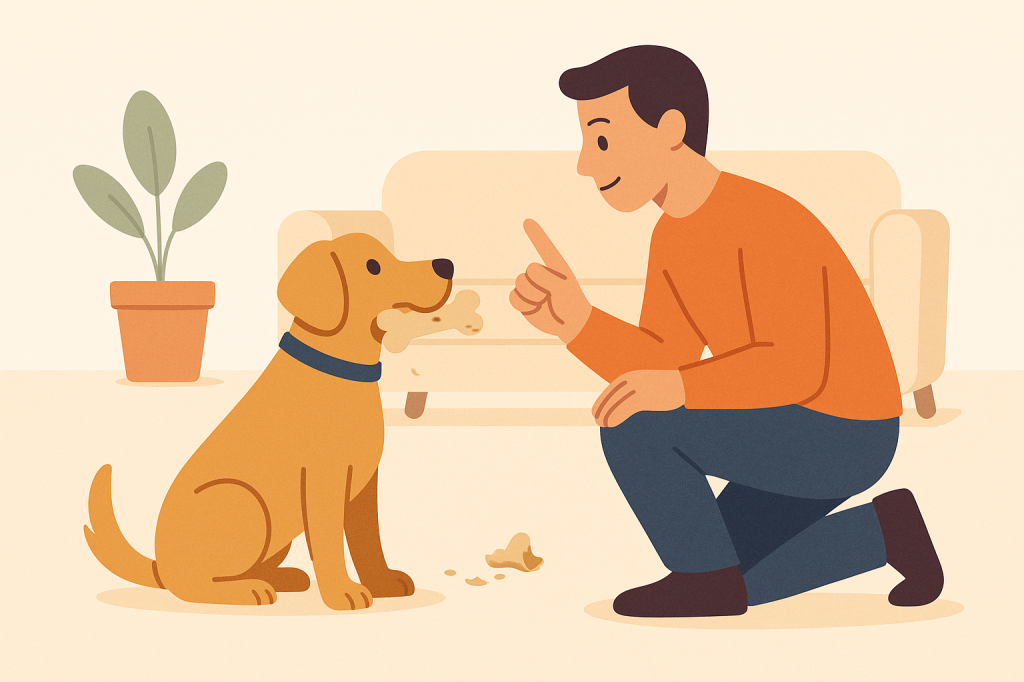
Understanding and Addressing Chewing Behaviour in Dogs
Many dog owners find themselves dealing with the frustration of their pets chewing furniture or personal items. This behaviour can be concerning but understanding why it happens is the first step toward effective management.
Understanding the Chewing Behaviour
Chewing is a natural behaviour for dogs, but when it becomes destructive, it can lead to stress for both the dog and the owner. Dogs may chew items for various reasons, including boredom, anxiety, teething, or simply out of curiosity.
Why Does Chewing Happen?
Boredom: Dogs need physical and mental stimulation. Without it, they may resort to chewing to entertain themselves.
Anxiety: Dogs can experience separation anxiety or stress in new environments, leading them to chew as a coping mechanism.
Teething: Puppies, like human babies, go through a teething period that can lead to chewing to relieve discomfort.
Exploration: Dogs explore their environment through their mouths. This instinctive behaviour is common, especially for puppies.
Practical Steps to Manage Chewing
Provide Appropriate Chew Toys: Offer your dog a variety of safe, appealing chew toys to redirect their chewing behaviour from furniture.
Increase Exercise and Play: Engage your dog in regular physical activities and mental exercises to alleviate boredom and reduce stress.
Create a Safe Space: Consider confining your dog to a designated area with their toys when you cannot supervise them to prevent destructive chewing.
Provide Training: Use positive reinforcement to train your dog to understand which items are acceptable to chew. Redirect their attention appropriately.
Seek Professional Help: If the behaviour persists, consulting a dog trainer or behaviourist can provide tailored strategies for your dog's specific needs.
Expected Timeline for Improvement
Each dog is unique, and the time it takes to see improvement can vary. Generally, with consistent management strategies, you may notice a reduction in undesired chewing within a few weeks. However, some dogs may require longer, especially if anxiety is the primary cause.
Frequently Asked Questions
What if my dog only chews when I am not home? This may be a sign of separation anxiety. Consider toys that engage them while you are away or consult a professional.
Are certain breeds more prone to destructive chewing? Some breeds, especially those with high energy levels, may be more prone to chewing if not adequately stimulated.
Can I punish my dog for chewing? Punishment is not effective and can lead to fear. Focus on redirecting the chewing behaviour positively instead.
Are you looking for help with your dog training needs? Our Dog Assistant helps with daily checkin reminders specifically tailored to your dog's needs and breed. If you have a problem related to "Chewing furniture or items issues" then give us a try!
Create your free account today!
Written by ClientSlot's Dog Training Expert on: 2025-12-30 11:59:04 Topic: Chewing furniture or items
Helpful Dog Training Articles
We have a small selection of guides which you might find helpful
Comfort | Separation Anxiety | Walking & Lead | Fear & Anxiety | Obsessive Behaviours | Training & Focus | Social Skills & Play | Calm & Settle | Arousal & Impulse | Recall | Separation & Sitters | Manners & Greeting | Handling & Touch | Resource Guarding | Barking | Food & Scavenging | Reactivity | Vet & Grooming | Travel & Car | Escaping & Boundaries | Destructive - Outdoor | Mouthing & Chewing | House Training |© 2026 ClientSlot. All rights reserved.