
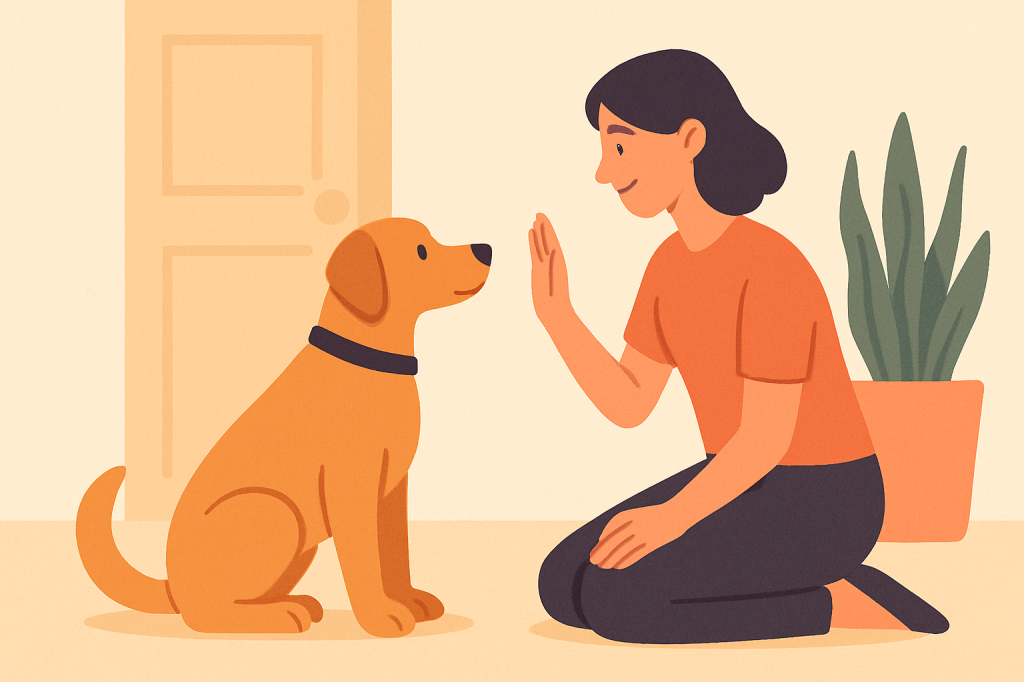
Rescue Dogs And Separation Anxiety
Bringing a rescue dog into your home is a rewarding experience, but it can also come with challenges, one of which is separation anxiety. This condition can manifest as distress when your dog is left alone, resulting in behaviours that can be overwhelming for both the pet and the owner. Understanding and addressing this problem is essential for fostering a calm and secure environment for your rescue dog.
Understanding Separation Anxiety
Separation anxiety often stems from past traumas or instability in a dog's life. Rescue dogs may have experienced neglect, abuse, or frequent changes in their environment, which can lead them to develop a strong attachment to their caregivers. When left alone, their fear of abandonment can trigger anxious behaviours, such as barking, howling, destroying furniture, or soiling the house.
Practical Steps to Help Your Dog
- Create a Safe Space: Designate a comfortable area for your dog with familiar items like blankets and toys. This can help them feel secure.
- Gradual Departures: Begin by leaving your dog alone for short periods, gradually increasing the duration as they become more comfortable. This helps them learn that being alone is a normal part of daily life.
- Positive Reinforcement: Reward your dog with treats or affection when they remain calm during your departures and arrivals. This encourages positive associations.
- Routine Establishment: Establish a consistent daily routine for feeding, walks, and playtime. Predictability can help reduce anxiety in your dog.
- Training Sessions: Engage your dog in regular training sessions to boost their confidence. Use positive reinforcement techniques to make learning enjoyable.
Expected Timelines
Every dog is unique, and the time it takes for a rescue dog to adjust to being alone will vary. Generally, you may start to see improvements within a few weeks if you consistently apply these techniques. For more severe cases, it may take several months. Patience and consistency are key.
Frequently Asked Questions
What should I do if my dog becomes destructive when left alone?
If your dog shows signs of distress, consider strengthening their safe space and try shorter departures while using calming techniques.
Can medication help with separation anxiety?
While some dogs may benefit from medication, it is important to consult with a qualified vet before considering this option as part of a comprehensive treatment plan.
Is it normal for my rescue dog to take a long time to adjust?
Yes, it's common for rescue dogs to need time to adapt to their new environment. Consistency and a supportive approach will aid in their adjustment.
Are you looking for help with your dog training needs? Our Dog Assistant helps with daily checkin reminders specifically tailored to your dog's needs and breed. If you have a problem related to "Rescue Dogs And Separation Anxiety issues" then give us a try!
Create your free account today!
Written by ClientSlot's Dog Training Expert on: 2026-01-04 12:37:31 Topic: Rescue Dogs And Separation Anxiety
Helpful Dog Training Articles
We have a small selection of guides which you might find helpful
Comfort | Separation Anxiety | Walking & Lead | Fear & Anxiety | Obsessive Behaviours | Training & Focus | Social Skills & Play | Calm & Settle | Arousal & Impulse | Recall | Separation & Sitters | Manners & Greeting | Handling & Touch | Resource Guarding | Barking | Food & Scavenging | Reactivity | Vet & Grooming | Travel & Car | Escaping & Boundaries | Destructive - Outdoor | Mouthing & Chewing | House Training |© 2026 ClientSlot. All rights reserved.