
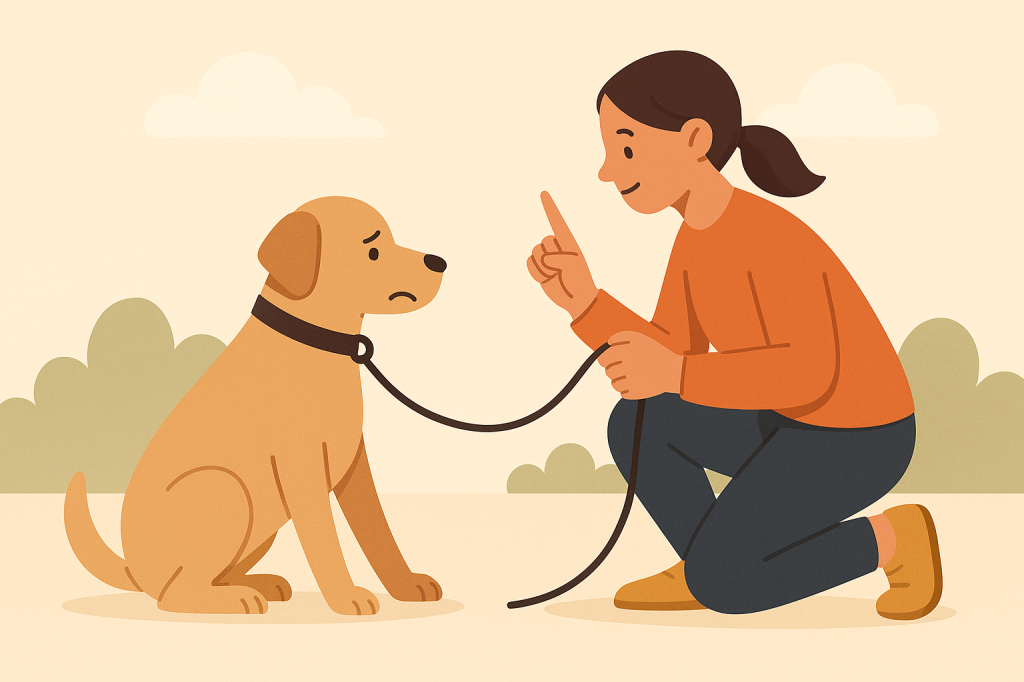
Understanding and Addressing Your Dog's Refusal to Walk
As a dog owner, encountering a refusal to walk can be both frustrating and concerning. This behaviour can stem from a variety of reasons, but with understanding and patience, you can help your dog feel comfortable and confident on walks.
Why Does My Dog Refuse to Walk?
There are several reasons why your dog might refuse to walk. Some common factors include:
- Fear or Anxiety: Loud noises, busy streets, or unfamiliar surroundings may intimidate your dog.
- Physical Discomfort: Your dog may be experiencing pain or discomfort that inhibits their ability to walk.
- Lack of Motivation: Sometimes dogs may simply not feel motivated, especially if walks are not regularly part of their routine.
- Medical Issues: While not within the scope of this article, underlying medical conditions can also affect a dog's willingness to walk.
Understanding the root cause can help in addressing the behaviour effectively.
Practical Steps to Encourage Walking
Here are some practical steps you can take when your dog refuses to walk:
- Create a Positive Experience: Bring treats or their favourite toy to encourage walking. Reward them for taking steps forward.
- Start Slow: If your dog is hesitant, try to walk in quiet, familiar areas before gradually introducing busier environments.
- Check Equipment: Ensure that your dog’s harness or collar is comfortable and correctly fitted. Uncomfortable gear can deter them from walking.
- Use Desensitisation Techniques: Gradually expose your dog to the sights and sounds that may be causing fear while providing reassurance.
- Be Patient: It’s important to remain calm and patient. If your dog is reluctant, give them time to adjust without forcing them.
Expected Timelines
Improvement may vary depending on the individual dog and their circumstances. Some dogs may respond positively almost immediately, while others might take weeks or even months to build their confidence. Consistency and patience are key during this process.
Frequently Asked Questions
What should I do if my dog won't walk at all? Consider breaking the routine down into smaller, manageable segments and gradually encourage them to move.
Should I carry my dog if they refuse to walk? Carrying your dog can reinforce the behaviour. Instead, focus on encouraging them to walk.
What if my dog's refusal seems linked to health issues? If you suspect this could be the case, consult your veterinarian to rule out any medical concerns.
Are you looking for help with your dog training needs? Our Dog Assistant helps with daily checkin reminders specifically tailored to your dog's needs and breed. If you have a problem related to "refusal to walk issues" then give us a try!
Create your free account today!
Written by ClientSlot's Dog Training Expert on: 2025-12-31 02:08:40 Topic: refusal to walk
Helpful Dog Training Articles
We have a small selection of guides which you might find helpful
Comfort | Separation Anxiety | Walking & Lead | Fear & Anxiety | Obsessive Behaviours | Training & Focus | Social Skills & Play | Calm & Settle | Arousal & Impulse | Recall | Separation & Sitters | Manners & Greeting | Handling & Touch | Resource Guarding | Barking | Food & Scavenging | Reactivity | Vet & Grooming | Travel & Car | Escaping & Boundaries | Destructive - Outdoor | Mouthing & Chewing | House Training |© 2026 ClientSlot. All rights reserved.