
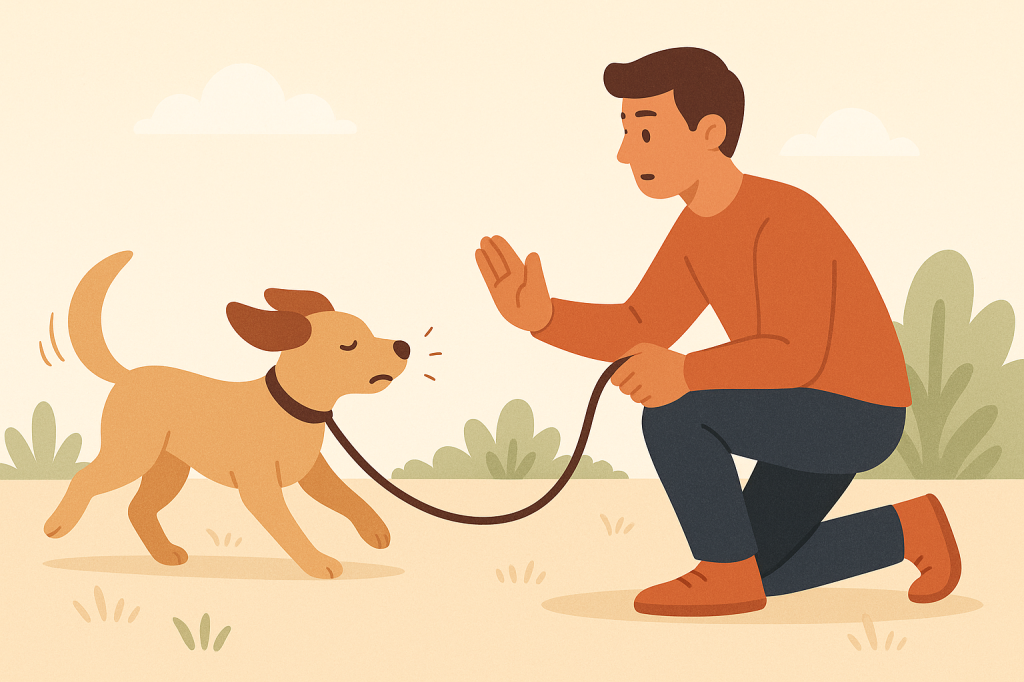
Understanding and Improving Your Dog's Recall
Many dog owners experience challenges with their pet's recall. It is a common issue, and with the right approach, it can be improved. This guide provides practical strategies to enhance your dog's recall for a safer and more enjoyable experience.
Understanding the Issue
Poor recall means that your dog fails to return to you when called. This can be frustrating and potentially dangerous, especially in off-lead situations. A reliable recall is essential for your dog’s safety and your peace of mind.
Why It Happens
There are several reasons why a dog may not respond to recall commands:
Lack of training or inconsistent cues can lead to confusion.
Distractions, such as other animals or interesting smells, can divert their attention.
Fear or anxiety associated with the recall process might deter them from responding.
Previous negative experiences when called back can affect a dog's willingness to return.
Practical Steps to Improve Recall
Implementing a structured training plan can help improve your dog’s recall. Consider the following steps:
Start training in a controlled environment, such as your home or a secure garden, where there are minimal distractions.
Use a high-value reward, such as treats or toys, to motivate your dog to return to you.
Consistently use the same command, such as 'come,' and pair it with positive reinforcement whenever they respond correctly.
Gradually increase the level of distractions as your dog improves, practicing recall in different environments.
Avoid calling your dog for negative experiences, such as bath time or leaving the park, to prevent creating a negative association.
Expected Timelines for Improvement
The timeline for improvement varies depending on your dog's age, breed, and previous experiences. With consistent and positive training, many dogs begin to show improvement within a few weeks. However, patience and regular practice are key.
Frequently Asked Questions
How can I make recall training fun for my dog?
Incorporate games such as hide and seek, where you call your dog to find you, making the process enjoyable.
What should I do if my dog doesn’t come at all?
Reassess your training techniques. Ensure you are using high-value rewards and practice in less distracting environments.
Is it too late to improve my dog's recall?
It is never too late. Many dogs respond well to training at any age with the right approach.
Are you looking for help with your dog training needs? Our Dog Assistant helps with daily checkin reminders specifically tailored to your dog's needs and breed. If you have a problem related to "Poor recall issues" then give us a try!
Create your free account today!
Written by ClientSlot's Dog Training Expert on: 2025-12-30 11:58:37 Topic: Poor recall
Helpful Dog Training Articles
We have a small selection of guides which you might find helpful
Comfort | Separation Anxiety | Walking & Lead | Fear & Anxiety | Obsessive Behaviours | Training & Focus | Social Skills & Play | Calm & Settle | Arousal & Impulse | Recall | Separation & Sitters | Manners & Greeting | Handling & Touch | Resource Guarding | Barking | Food & Scavenging | Reactivity | Vet & Grooming | Travel & Car | Escaping & Boundaries | Destructive - Outdoor | Mouthing & Chewing | House Training |© 2026 ClientSlot. All rights reserved.