
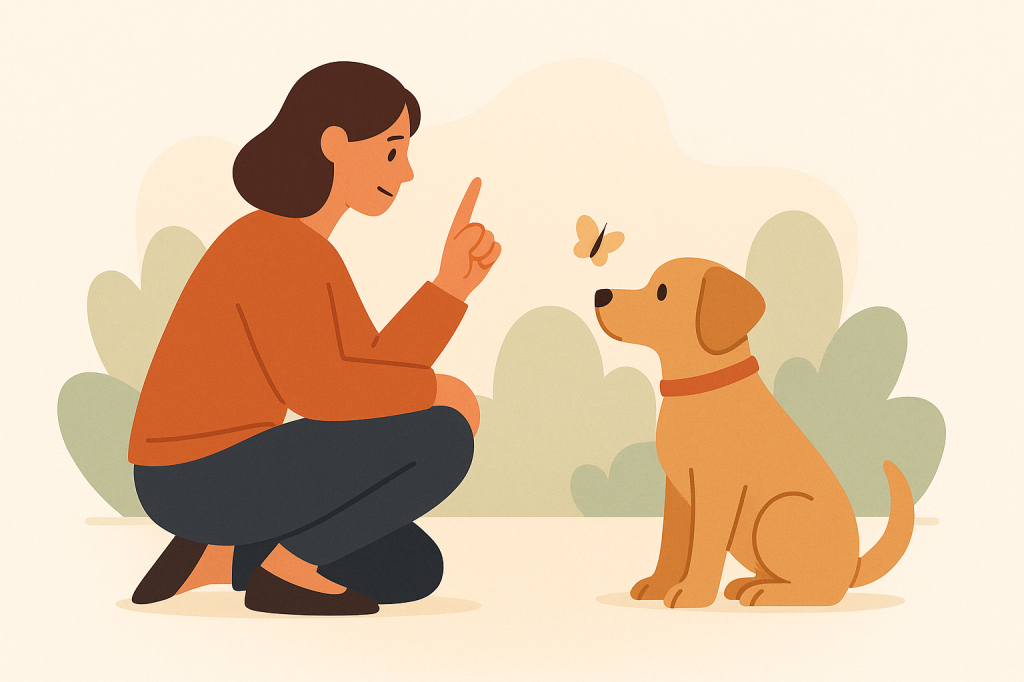
Addressing Poor Focus and Distraction in Dogs
As a dog owner, it can be frustrating to see your furry friend easily distracted, especially during training sessions or walks. Understanding the reasons behind this behaviour can help you support your dog in becoming more focused.
Understanding the Issue
Dogs can exhibit poor focus and distractions for various reasons. This behaviour may manifest as difficulty following commands, inability to stay engaged during training, or an inability to walk calmly on a leash. A distracted dog often struggles to concentrate, which can hinder learning and create challenges in daily interactions.
Why It Happens
There are several factors that may contribute to a dog's lack of focus:
Age and maturity: Puppies and young dogs may naturally have shorter attention spans.
Environment: Noisy or stimulating surroundings can easily distract a dog.
Training methods: If training sessions are inconsistent or overly lengthy, a dog may lose interest.
Health and wellness: Discomfort, anxiety, or other behaviours may impact a dog's ability to concentrate.
Practical Steps to Improve Focus
Here are some steps you can take to help your dog improve focus and reduce distractions:
Set up a conducive environment: Begin training in a quiet space with minimal distractions.
Use engaging training techniques: Incorporate fun and interactive methods, such as using treats or toys, to maintain interest.
Keep training sessions short: Aim for 5 to 10-minute sessions to help your dog stay engaged without overwhelming them.
Practice regularly: Short, frequent training sessions are more effective than infrequent, lengthy ones.
Gradually increase distractions: Once your dog is comfortable with commands, slowly introduce more distractions to build their focus in varied environments.
Be patient and consistent: Building focus takes time, and consistency in your approach will help your dog understand expectations.
Expected Timelines for Improvement
The timeline for improvement varies by dog. With regular practice and patience, you may start to see progress in a few weeks. Some dogs may take longer, while others may respond quickly. The key is to remain encouraging and understanding throughout the process.
Frequently Asked Questions
What if my dog does not show improvement?
If your dog does not seem to improve over time, consider consulting a professional dog trainer for additional guidance.
Can distractions be part of my dog's personality?
Yes, some breeds and individual dogs may naturally be more distractible than others, and understanding their traits can help you tailor your training approach.
Is there any specific age for better focus?
As dogs mature, they often develop better focus. However, all dogs can learn to concentrate with the right training techniques.
Are you looking for help with your dog training needs? Our Dog Assistant helps with daily checkin reminders specifically tailored to your dog's needs and breed. If you have a problem related to "Poor focus and easily distracted issues" then give us a try!
Create your free account today!
Written by ClientSlot's Dog Training Expert on: 2025-12-30 11:57:38 Topic: Poor focus and easily distracted
Helpful Dog Training Articles
We have a small selection of guides which you might find helpful
Comfort | Separation Anxiety | Walking & Lead | Fear & Anxiety | Obsessive Behaviours | Training & Focus | Social Skills & Play | Calm & Settle | Arousal & Impulse | Recall | Separation & Sitters | Manners & Greeting | Handling & Touch | Resource Guarding | Barking | Food & Scavenging | Reactivity | Vet & Grooming | Travel & Car | Escaping & Boundaries | Destructive - Outdoor | Mouthing & Chewing | House Training |© 2026 ClientSlot. All rights reserved.