
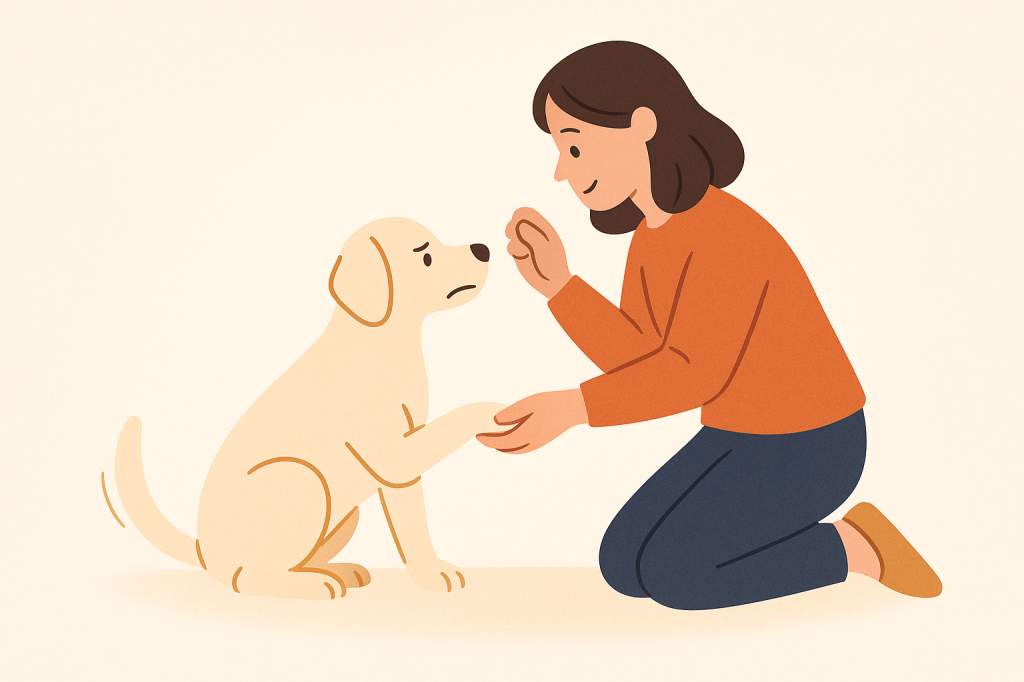
Helping Your Dog with Handling and Grooming Concerns
Many dog owners experience difficulty when handling or grooming their pets. This article offers practical guidance for effectively managing these challenges while ensuring your dog's comfort.
Understanding the Issue
Some dogs react negatively to being handled or groomed due to previous negative experiences, lack of socialisation, or fear of certain tools. This resistance can manifest as growling, snapping, hiding, or trying to escape.
Why It Happens
A dog's reaction can be attributed to various factors:
- Past Trauma: A negative experience with grooming or handling may leave lasting fear.
- Lack of Socialisation: Insufficient exposure to handling or new environments may cause anxiety.
- Physical Sensitivity: Some breeds or individual dogs may be more sensitive to touch, making grooming uncomfortable.
Practical Steps to Reduce Fear
Here are some methods to help your dog feel more at ease during handling and grooming:
- Start Slowly: Introduce handling gradually. Begin by gently touching your dog in non-threatening areas, extending the time and complexity as they grow comfortable.
- Use Positive Reinforcement: Reward your dog with treats or praise whenever they remain calm during grooming sessions to create positive associations.
- Desensitisation Techniques: Gradually expose your dog to grooming tools while they are in a relaxed state. Start with a simple brush or comb, allowing them to investigate the tool at their own pace.
- Short Sessions: Keep grooming sessions brief to avoid overwhelming your dog. Gradually increase the duration as they adapt.
- Choose the Right Environment: Groom in a calm, quiet area where your dog feels safe and secure.
Expected Timelines
The time it takes for a dog to become comfortable with handling and grooming varies. Some dogs may show improvement within a few days, while others may require weeks or months of consistent, gentle practice. Patience is crucial in this process.
Frequently Asked Questions
1. How can I tell if my dog is stressed during grooming?
Signs of stress include panting, whining, attempts to escape, or sudden stillness. Watch for body language changes for any signs of discomfort.
2. Is it safe to use a muzzle if my dog resists grooming?
If you decide to use a muzzle, ensure it is properly fitted and allows for your dog to breathe and pant. Always prioritise positive training methods before considering a muzzle.
Are you looking for help with your dog training needs? Our Dog Assistant helps with daily checkin reminders specifically tailored to your dog's needs and breed. If you have a problem related to "difficulty being handled or groomed issues" then give us a try!
Create your free account today!
Written by ClientSlot's Dog Training Expert on: 2025-12-31 02:11:13 Topic: difficulty being handled or groomed
Helpful Dog Training Articles
We have a small selection of guides which you might find helpful
Comfort | Separation Anxiety | Walking & Lead | Fear & Anxiety | Obsessive Behaviours | Training & Focus | Social Skills & Play | Calm & Settle | Arousal & Impulse | Recall | Separation & Sitters | Manners & Greeting | Handling & Touch | Resource Guarding | Barking | Food & Scavenging | Reactivity | Vet & Grooming | Travel & Car | Escaping & Boundaries | Destructive - Outdoor | Mouthing & Chewing | House Training |© 2026 ClientSlot. All rights reserved.