
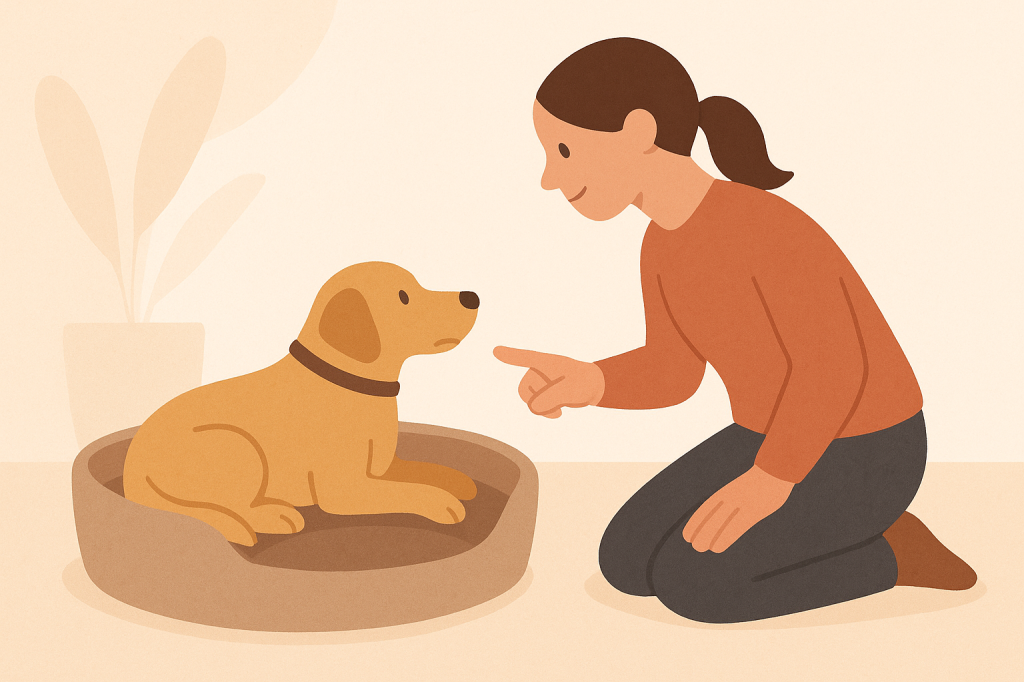
Guarding Resting Places: Understanding and Managing Canine Behaviour
Many dog owners may have noticed their pets displaying protective behaviours around their resting places. This article aims to help you understand this behaviour and offer practical guidance to manage it.
Understanding the Issue
Guarding resting places is a common instinctual behaviour in dogs. In the wild, dogs often guard areas where they find rest to protect themselves and their resources. This behaviour can manifest as growling, snapping, or even stiffening when approached.
Factors such as breed tendencies, past experiences, and the dog's temperament can influence this behaviour. Various situations may trigger it, particularly if the dog feels threatened or anxious around their space.
Practical Steps to Manage Guarding Behaviour
While this behaviour can be concerning, there are steps you can take to help reduce it:
- Create a Safe Space: Ensure that your dog’s resting area is comfortable and doesn’t feel vulnerable. This may include providing a secure bed or crate.
- Positive Reinforcement: Reward your dog for calm behaviours around their resting area. Use treats or praise when they allow you or others to approach without showing signs of guarding.
- Practice Desensitisation: Gradually get your dog used to people being near their resting place. Start at a distance and slowly decrease it over time, rewarding calm behaviour.
- Establish Boundaries: Teach your dog commands such as 'leave it' or 'settle' to help them understand acceptable behaviours around their resting areas.
- Consult a Professional: If the behaviour escalates or you feel overwhelmed, seeking assistance from a qualified dog behaviourist can be helpful.
Expected Timelines for Change
Each dog is unique, and the timeline for change will vary. Generally, with consistent effort and positive reinforcement, you can begin to notice improvements within a few weeks. However, deeper-rooted issues may take longer, and patience is key.
Frequently Asked Questions
Is guarding a sign of aggression?
Not necessarily. Guarding can stem from fear or anxiety and does not always indicate aggressive behaviour.
Can all dogs be trained to stop guarding?
Most dogs can learn to manage their guarding behaviour with appropriate training and socialisation, though results will vary.
Should I punish my dog for guarding?
Punishment can escalate anxiety and worsen the behaviour. Focus on positive reinforcement instead.
Are you looking for help with your dog training needs? Our Dog Assistant helps with daily checkin reminders specifically tailored to your dog's needs and breed. If you have a problem related to "guarding resting places issues" then give us a try!
Create your free account today!
Written by ClientSlot's Dog Training Expert on: 2025-12-31 02:10:55 Topic: guarding resting places
Helpful Dog Training Articles
We have a small selection of guides which you might find helpful
Comfort | Separation Anxiety | Walking & Lead | Fear & Anxiety | Obsessive Behaviours | Training & Focus | Social Skills & Play | Calm & Settle | Arousal & Impulse | Recall | Separation & Sitters | Manners & Greeting | Handling & Touch | Resource Guarding | Barking | Food & Scavenging | Reactivity | Vet & Grooming | Travel & Car | Escaping & Boundaries | Destructive - Outdoor | Mouthing & Chewing | House Training |© 2026 ClientSlot. All rights reserved.