
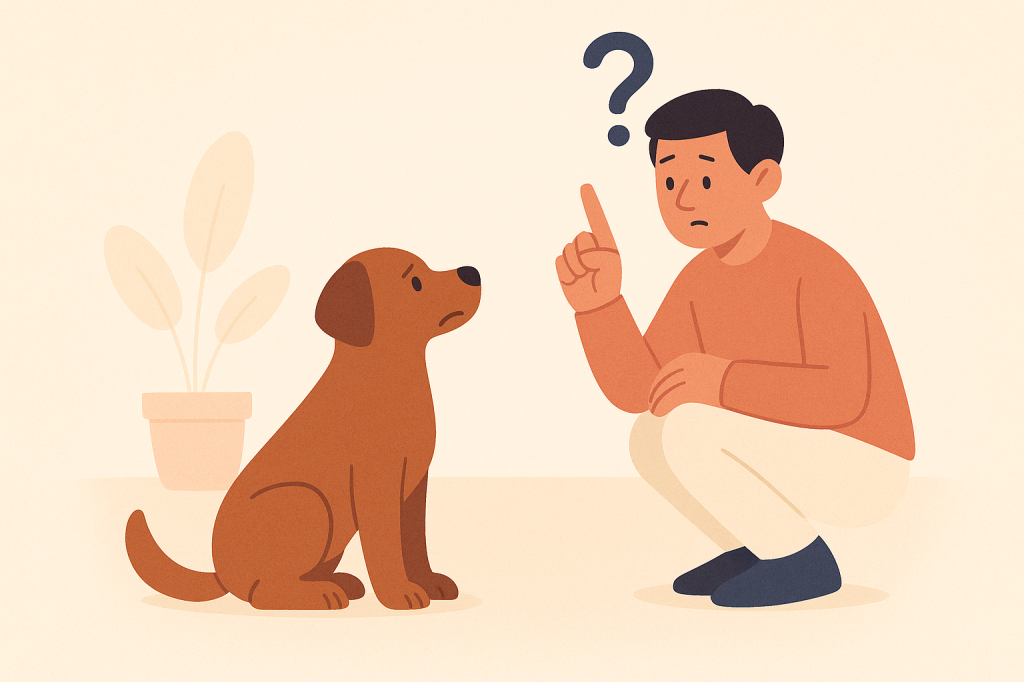
Understanding Dogs: Difficulty Learning New Cues
Many dog owners encounter the challenge of their pets having difficulty learning new cues. This situation can be frustrating, but it is important to approach it with patience and understanding.
Why Dogs May Struggle with Learning New Cues
Dogs, like humans, have different learning styles and paces. Difficulty in learning new cues can stem from various factors, including:
- Previous Training: Dogs may have been trained using different signals that now conflict with your new cues.
- Attention Span: Younger dogs or those with lower attention spans can find it hard to focus on commands.
- Environment: Distractions in the surroundings can hinder a dog's ability to concentrate.
- Anxiety: Stressful situations can impact a dog’s ability to learn.
Practical Steps to Help Your Dog Learn
Here are some supportive strategies to assist your dog in overcoming challenges with new cues:
- Consistency is Key: Use the same commands and gestures each time, avoiding variations that can confuse your dog.
- Positive Reinforcement: Reward your dog with treats, praise, or play when they demonstrate basic understanding or attempt to respond.
- Short Training Sessions: Limit training to 5-10 minutes to prevent your dog from becoming overwhelmed and losing interest.
- Minimise Distractions: Choose calm environments for training sessions to enhance concentration.
- Use Clear Signals: Simple and distinct cues, both verbal and physical, can help your dog make connections better.
- Practice Patience: Remember that learning is a gradual process; celebrate small achievements.
Expected Timelines for Learning
The time it takes for a dog to learn new cues varies. With consistent practice, dogs may start showing progress within a few days to weeks. Remember that each dog is unique, and comparisons with others should be avoided to maintain a healthy perspective.
Frequently Asked Questions
How long should I train my dog each day?
It's best to keep training sessions short (5-10 minutes) and frequent throughout the day rather than one long session.
My dog seems uninterested. What should I do?
If your dog shows disinterest, assess the environment for distractions, or consider shorter sessions and different rewards to encourage engagement.
When should I seek help from a professional?
If you're consistently struggling or if your dog's anxiety seems significant, consulting with a professional trainer can provide tailored support.
Are you looking for help with your dog training needs? Our Dog Assistant helps with daily checkin reminders specifically tailored to your dog's needs and breed. If you have a problem related to "difficulty learning new cues issues" then give us a try!
Create your free account today!
Written by ClientSlot's Dog Training Expert on: 2025-12-31 02:13:35 Topic: difficulty learning new cues
Helpful Dog Training Articles
We have a small selection of guides which you might find helpful
Comfort | Separation Anxiety | Walking & Lead | Fear & Anxiety | Obsessive Behaviours | Training & Focus | Social Skills & Play | Calm & Settle | Arousal & Impulse | Recall | Separation & Sitters | Manners & Greeting | Handling & Touch | Resource Guarding | Barking | Food & Scavenging | Reactivity | Vet & Grooming | Travel & Car | Escaping & Boundaries | Destructive - Outdoor | Mouthing & Chewing | House Training |© 2026 ClientSlot. All rights reserved.