
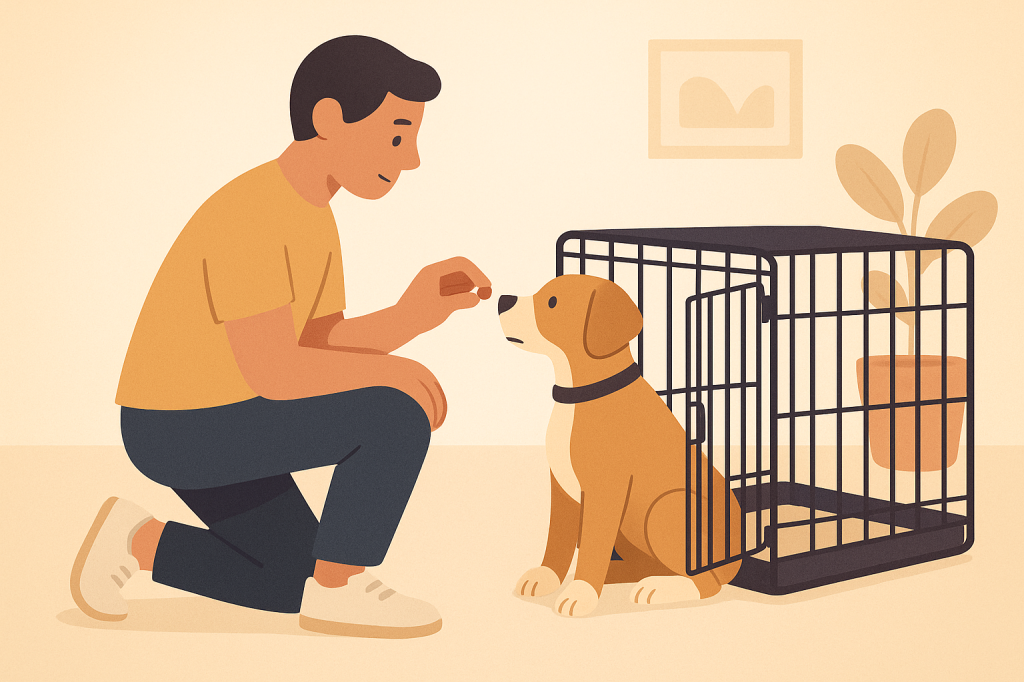
Understanding and Overcoming Crate Training Difficulties
Crate training can be a beneficial experience for both you and your dog. However, many owners encounter challenges during the process. It is essential to understand these difficulties, why they may arise, and how to address them effectively.
Common Crate Training Issues
One of the most prevalent issues during crate training is anxiety. Dogs may whine, bark, or try to escape their crate, indicating they are uncomfortable or frightened. Another common challenge is a reluctance to enter the crate, stemming from negative associations or lack of understanding of its purpose.
Why These Issues Arise
Understanding the root cause of these behaviours is crucial. Dogs are social animals and may experience separation anxiety when confined. If they had previous negative experiences with a crate, they might associate it with stress. Additionally, a lack of sufficient training or gradual introduction to the crate can contribute to the resistance.
Practical Solutions for Owners
To help your dog adapt to their crate, consider the following steps:
- Ensure the crate is a comfortable space by adding bedding and toys.
- Introduce the crate gradually, allowing your dog to explore without pressure.
- Use positive reinforcement, rewarding your dog for entering the crate willingly.
- Start with short periods in the crate, gradually increasing the duration as your dog becomes more comfortable.
- Establish a routine, using the crate during specific times such as mealtimes or rest periods to create positive associations.
Expected Timelines for Improvement
Every dog is unique, and the timeline for improvement will vary. Generally, with consistent practice and patience, most dogs will show progress within a few weeks. If your dog remains resistant, consider adjusting your approach and possibly consulting a professional for further guidance.
Frequently Asked Questions
How long should I crate my dog each day?
Dogs should not be crated for longer than they can hold their bladder, typically a few hours depending on their age and breed.
Is it normal for my dog to cry in the crate?
It can be normal initially, especially if they are not accustomed to it. Address this gently with positive reinforcement.
What if my dog refuses to enter the crate?
Try making the crate more inviting and use treats or toys to encourage entry. Gradually increase exposure time without forcing them.
Are you looking for help with your dog training needs? Our Dog Assistant helps with daily checkin reminders specifically tailored to your dog's needs and breed. If you have a problem related to "Crate training difficulties issues" then give us a try!
Create your free account today!
Written by ClientSlot's Dog Training Expert on: 2025-12-30 11:55:49 Topic: Crate training difficulties
Helpful Dog Training Articles
We have a small selection of guides which you might find helpful
Comfort | Separation Anxiety | Walking & Lead | Fear & Anxiety | Obsessive Behaviours | Training & Focus | Social Skills & Play | Calm & Settle | Arousal & Impulse | Recall | Separation & Sitters | Manners & Greeting | Handling & Touch | Resource Guarding | Barking | Food & Scavenging | Reactivity | Vet & Grooming | Travel & Car | Escaping & Boundaries | Destructive - Outdoor | Mouthing & Chewing | House Training |© 2026 ClientSlot. All rights reserved.