
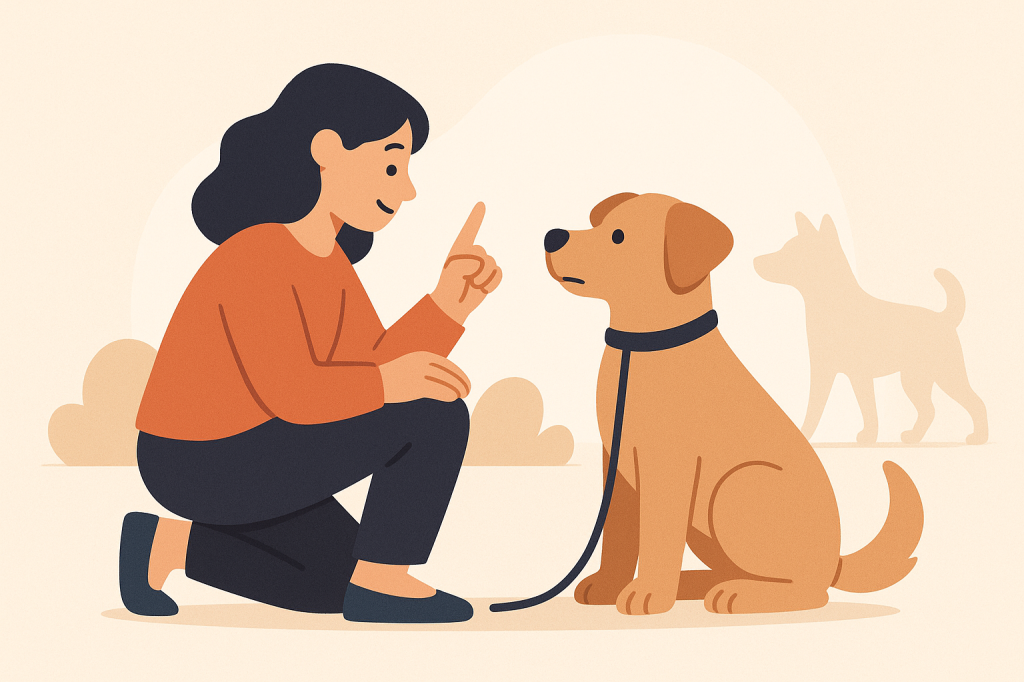
Addressing Socialisation Difficulties in Dogs
Socialisation is crucial for your dog's behavioural development. However, many dogs struggle with socialisation, leading to stress for both the pet and the owner. This guide aims to provide reassurance and practical steps to help your dog navigate social situations more comfortably.
Understanding Socialisation Difficulties
Socialisation difficulties in dogs can manifest in various ways, including fear, aggression, or reluctance to engage with other dogs and people. These reactions can stem from a lack of early social exposure, negative past experiences, or innate temperament traits.
Reasons for Socialisation Challenges
Several factors can contribute to a dog’s socialisation difficulties:
Insufficient exposure to different people, environments, and other animals during critical development stages, typically between three and fourteen weeks of age.
Negative experiences, such as being frightened or attacked by another dog, can lead to long-lasting fears.
Genetic predispositions or certain breeds may be more naturally inclined to be wary of strangers or new situations.
Practical Steps to Aid Socialisation
While socialisation challenges can be daunting, there are several practical steps you can follow to help your dog improve:
Start Slowly: Introduce your dog to one new person or dog at a time in a controlled environment.
Positive Reinforcement: Reward your dog with treats and praise for calm behaviour in social situations.
Gradual Exposure: Slowly increase exposure to various environments, ensuring it remains positive and stress-free.
Training Classes: Consider enrolling in socialisation or obedience classes led by a professional trainer who understands behavioural issues.
Controlled Playtime: Set up controlled playdates with well-socialised, calm dogs to model positive interactions.
Expected Timelines for Improvement
Improvement in socialisation can vary widely depending on the individual dog and the extent of their difficulties. You may start seeing gradual changes within a few weeks with consistent effort. For some dogs, it may take several months to become more comfortable in social situations.
Frequently Asked Questions
Can all dogs be socialised?
Most dogs can improve their social skills with the right approach and patience, though some may always have limitations due to past experiences.
What if my dog remains fearful or aggressive?
If your dog continues to show fear or aggression despite your best efforts, consulting a qualified dog behaviourist may provide additional strategies tailored to your dog's specific needs.
Are you looking for help with your dog training needs? Our Dog Assistant helps with daily checkin reminders specifically tailored to your dog's needs and breed. If you have a problem related to "Socialisation difficulties issues" then give us a try!
Create your free account today!
Written by ClientSlot's Dog Training Expert on: 2025-12-30 12:00:30 Topic: Socialisation difficulties
Helpful Dog Training Articles
We have a small selection of guides which you might find helpful
Comfort | Separation Anxiety | Walking & Lead | Fear & Anxiety | Obsessive Behaviours | Training & Focus | Social Skills & Play | Calm & Settle | Arousal & Impulse | Recall | Separation & Sitters | Manners & Greeting | Handling & Touch | Resource Guarding | Barking | Food & Scavenging | Reactivity | Vet & Grooming | Travel & Car | Escaping & Boundaries | Destructive - Outdoor | Mouthing & Chewing | House Training |© 2026 ClientSlot. All rights reserved.